A Homeowner’s Guide to Siding Materials, Styles, and Costs
January 19, 2026
Choosing the right siding for your home is one of the most important decisions you will make during an exterior renovation or new construction project. Siding plays a critical role in protecting your home from weather elements, enhancing curb appeal, improving energy efficiency, and contributing to overall property value. With numerous options available in today’s market, ranging from traditional wood to modern fiber cement, homeowners often find themselves overwhelmed by the choices. Understanding the differences between materials, style options, and typical cost considerations can make this process far more manageable. A well-informed approach ensures that your investment supports long-term durability and visual appeal.
By exploring the most popular siding options, identifying key characteristics, and evaluating long-term expenses, homeowners can confidently select the best fit for their home.
Comparing Siding Materials for Durability and Maintenance
When selecting exterior cladding, it is essential to understand how different siding materials perform in various climates and conditions. Vinyl, fiber cement, wood, engineered wood, and metal remain among the most widely used options. Each material offers advantages related to maintenance requirements, durability, and long-term value.
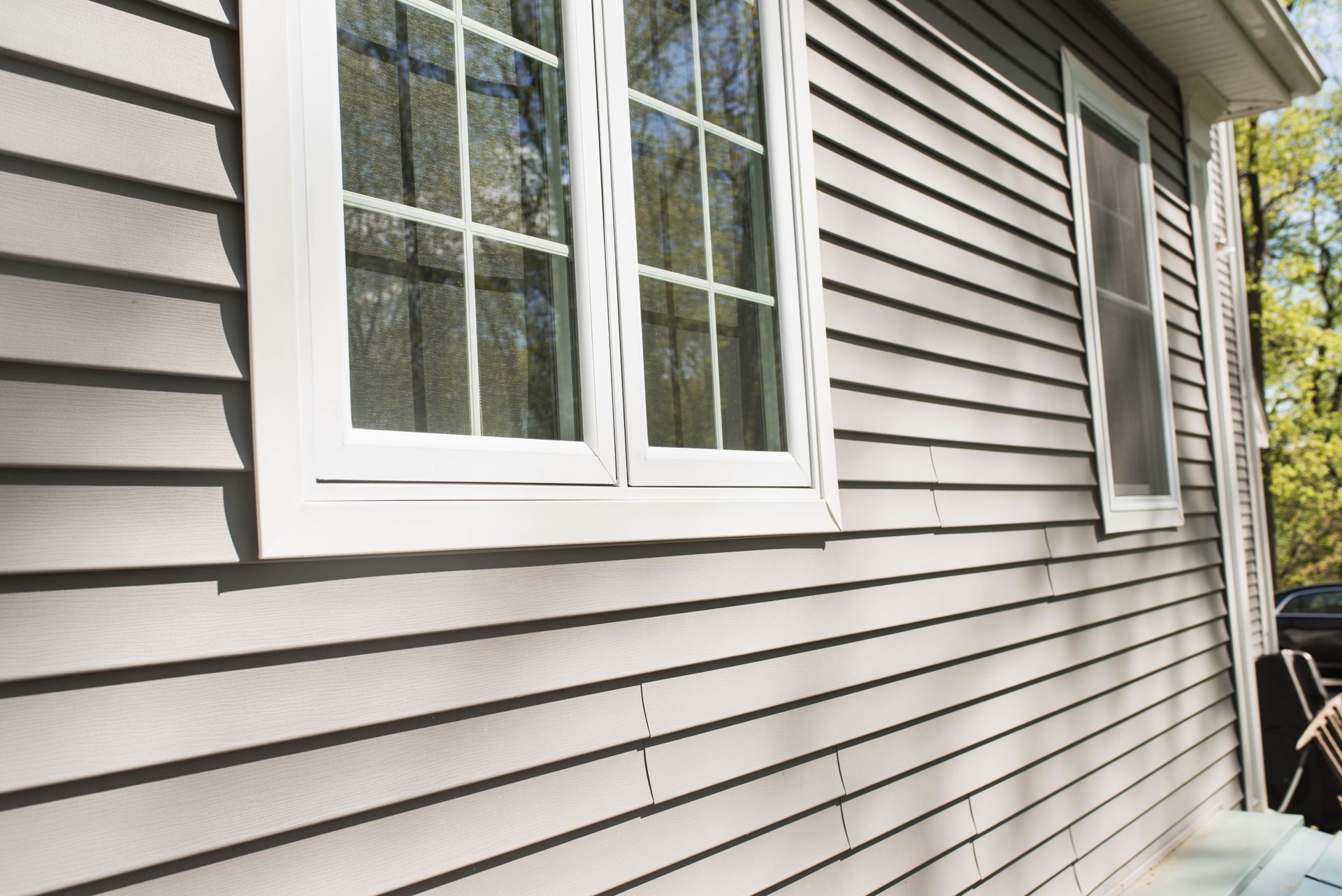
Vinyl siding has become a leading choice for many homeowners due to its affordability, versatility, and low maintenance needs. It is resistant to pests, does not require painting, and performs well in many climates. Vinyl also comes in numerous colors and textures, allowing homeowners to replicate the look of traditional wood without the upkeep. While durable, it may not offer as much impact resistance as other materials in areas prone to severe storms or hail.
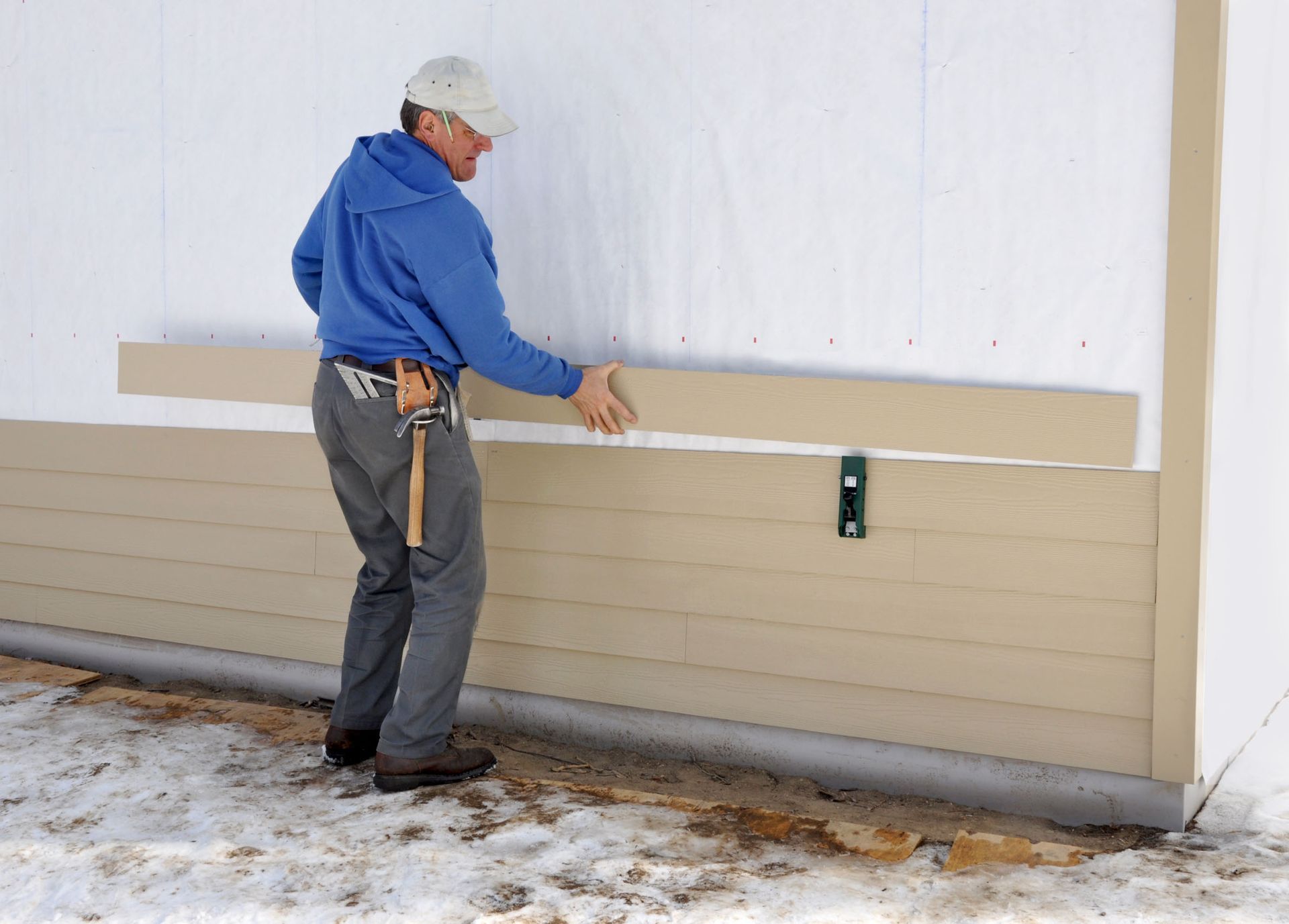
Fiber cement siding provides exceptional durability and fire resistance, making it a popular option for homeowners seeking longevity and strength. It mimics the appearance of wood, stucco, or masonry while requiring significantly less maintenance than natural wood. Fiber cement can withstand harsh weather conditions and resists rot, insects, and warping. Its higher initial cost is often offset by decades of reliable performance. According to This Old House, among industry professionals, 100 square feet of siding is referred to as a “square,” a useful measurement for comparing costs and quantities when evaluating materials like fiber cement.
Wood siding offers a timeless, natural appearance and remains an attractive choice for homeowners seeking classic charm. However, wood requires regular staining or painting to protect it from moisture, pests, and rot. While cedar and redwood offer higher resistance to decay, wood siding still demands a significant maintenance commitment. For those seeking the beauty of wood with less upkeep, engineered wood siding provides a strong alternative. It combines wood fibers with resin binders to create a more stable, durable product at a lower cost.
Metal siding, which includes aluminum and steel, is known for its strength and modern appearance. It resists fire, pests, and extreme weather conditions, making it an excellent option in regions prone to severe storms. Metal siding often lasts decades with minimal maintenance, though it may require occasional repainting or touch-ups. Understanding the unique characteristics of each material helps homeowners choose the siding option best suited to their environment and long-term expectations.
Exploring Siding Styles to Match Architectural Design
Beyond material selection, siding style plays a major role in defining the home’s exterior appearance. Architectural elements such as rooflines, window placement, and overall structural design influence which siding styles will enhance the home’s aesthetic. Homeowners can choose from traditional lap panels, shingles, vertical boards, and more decorative options such as board-and-batten or shake-style siding.
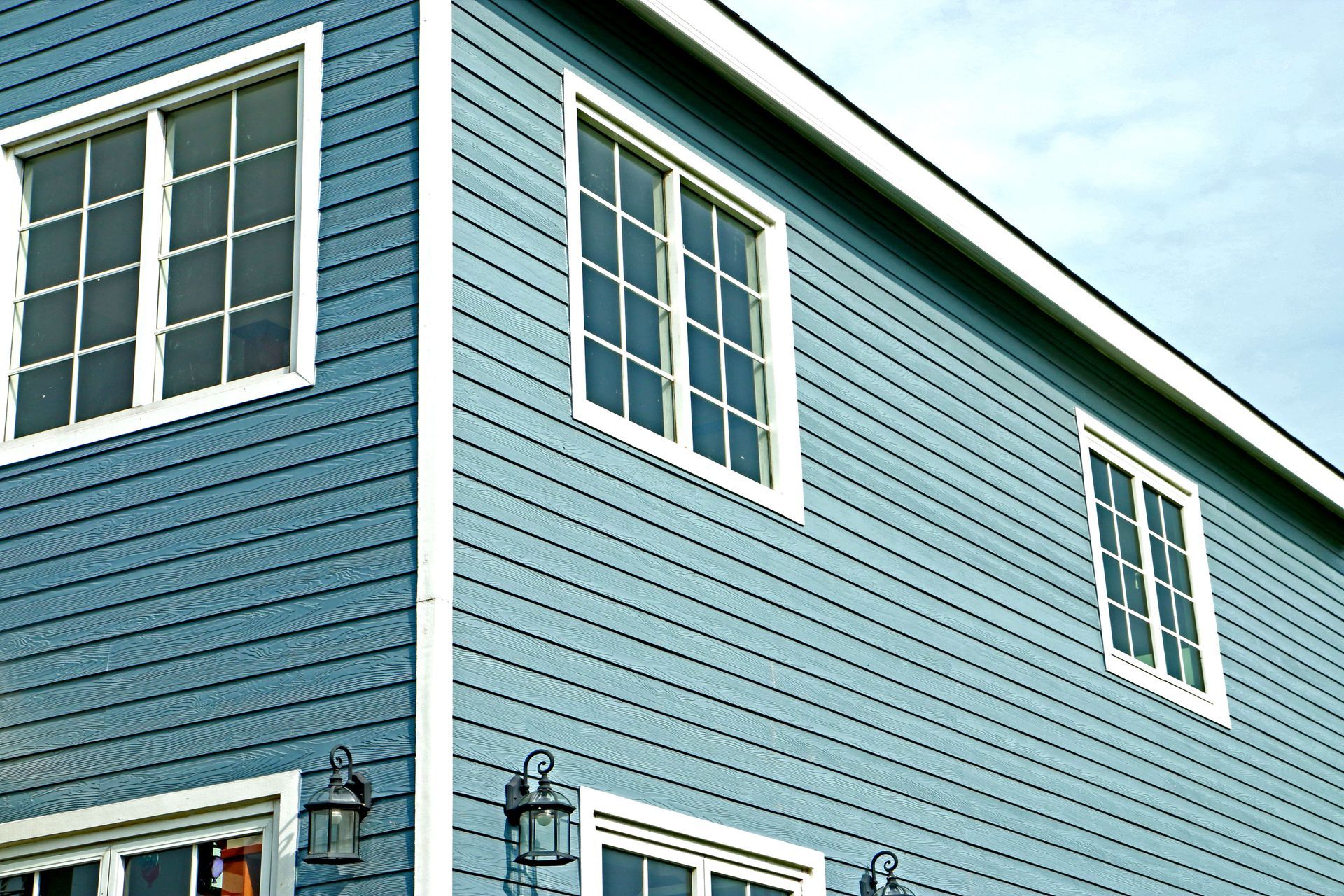
Traditional horizontal lap siding remains one of the most popular choices. Its clean lines complement many architectural styles, including colonial, ranch, and craftsman homes. Lap siding is available in materials such as vinyl, fiber cement, engineered wood, and metal, allowing homeowners to achieve the desired look across a range of budgets.
Shingle or shake siding offers a textured, natural appearance associated with cottage-style or coastal homes. While classic cedar shingles require careful upkeep, modern alternatives in vinyl or fiber cement provide the same look without the frequent painting or staining. These styles add depth and visual interest, making them an excellent choice for accent areas such as gables or dormers.
Vertical siding, including board-and-batten, has grown in popularity for homeowners seeking a contemporary or farmhouse-inspired look. This style combines wide vertical boards with narrow battens to create a striking, dimensional pattern. Board-and-batten siding is particularly effective for modern farmhouse designs or mixed-material exteriors that blend horizontal and vertical elements.
Stucco-style siding, though technically an exterior finish, appeals to homeowners seeking a smooth, uniform texture. Fiber cement panels can replicate stucco at a lower cost and with greater resistance to weather-related cracking. When choosing a siding style, it is essential to consider both the home’s architectural identity and the homeowner’s long-term design goals. A well-selected style enhances curb appeal and creates a cohesive overall appearance.
Evaluating Siding Costs for Short-Term and Long-Term Investment
Cost is a significant factor in siding selection. Homeowners need to consider not only the initial installation expense but also long-term maintenance, durability, and potential energy savings. Different siding materials vary widely in price per square, and installation complexity also affects overall cost.
Vinyl siding is typically the most budget-friendly option, offering an affordable upfront cost and minimal maintenance expenses. Its durability and wide range of styles contribute to long-term value. However, homeowners should evaluate the quality of specific vinyl products, as higher-end panels may offer better performance and longevity.
Fiber cement siding falls in the mid-to-high price range due to its composition and installation requirements. However, its lifespan often surpasses that of vinyl or wood, resulting in strong long-term value. Fiber cement siding also provides excellent fire resistance, which may benefit homeowners in regions with strict building codes or high wildfire risk.
Wood siding typically requires a higher initial investment, especially when selecting premium species such as cedar. Maintenance expenses—including staining, painting, and periodic repairs—add to the long-term cost. Homeowners considering wood should factor in these ongoing expenses and the time commitment required for upkeep.
Engineered wood siding is a more cost-effective alternative to natural wood, offering improved durability and lower maintenance needs. It provides a balance of traditional appearance and modern performance at a moderate price point.
Metal siding costs vary depending on the type of metal and the thickness of the panels. Aluminum is generally more affordable, while steel offers greater strength at a higher price. These materials offer excellent durability and reduced maintenance costs, contributing to long-term savings.
By evaluating upfront prices, maintenance requirements, and lifespan expectations, homeowners can determine which siding option aligns with their budget and long-term household goals.
Maintaining Siding to Preserve Curb Appeal and Durability
Regardless of the siding material selected, proper maintenance is essential for preserving long-term appearance and structural performance. Regular cleaning, timely repairs, and routine inspections help ensure that siding continues to protect the home effectively.
Wood siding demands the most attention, including regular staining or painting and vigilant monitoring for insect damage or moisture intrusion. Engineered wood siding requires less frequent upkeep but still benefits from periodic cleaning and inspections.
Metal siding, while low maintenance, should be checked for dents, scratches, or fading paint. Touch-ups and protective coatings preserve the longevity of the finish. Regardless of material, homeowners should also maintain their gutters and rooflines, as excess moisture or clogged drainage can damage siding and compromise structural integrity.
Choosing the right siding involves understanding material performance, selecting an architectural style that complements the home, evaluating cost considerations, and maintaining the chosen product over time. By exploring these factors carefully, homeowners can select siding that enhances their home’s beauty, provides reliable protection, and offers long-term value. Call R & JL Exteriors today to schedule your exterior siding project!