5 Ways New Gutters Improve Drainage During Heavy Storms
July 6, 2026
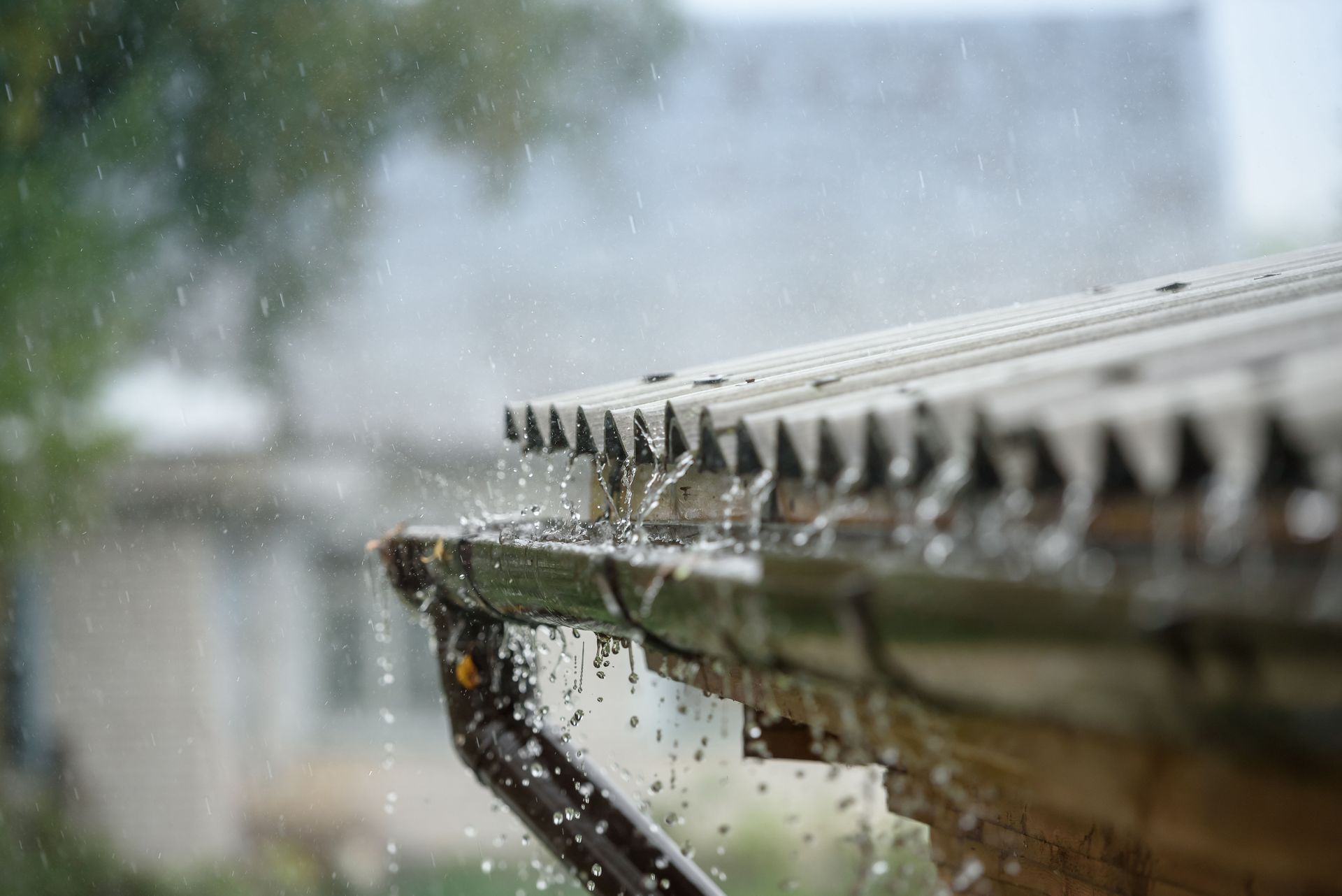
Heavy seasonal downpours can put an incredible amount of stress on your home structure, shedding thousands of gallons of water from the roof within a very short timeframe. Without a highly efficient management system in place, this massive volume of liquid cascades directly down the sides of your property, creating severe erosion, structural leaks, and costly water damage. Upgrading your external drainage network ensures that cascading rainwater is collected smoothly and channeled safely away from your primary structural foundations. Here are six critical ways new gutters improve your overall property drainage performance during severe weather events.
Eliminating the Destructive Water Overflows From Sagging Channels
A primary issue with aging drainage networks is the physical sagging that occurs over decades of carrying heavy leaf debris, winter ice, and torrential rainwater. When individual sections bend downward or warp, they lose their necessary pitch and disrupt the smooth, gravity-driven flow of liquid toward the vertical downspouts.
New installations eliminate these structural sags entirely, ensuring an unhindered pathway for rushing water even during the most intense cloudbursts. When you replace warped or broken segments, you prevent pooling liquid from spilling over the sides of the metal and soaking your pristine exterior siding. This seamless movement means you will notice fewer instances of external wall dampness and zero cascading sheets of water right outside your main entryways.
1. Preventing Severe Soil Erosion Around Your Structural Foundation
When an older water management system fails, a massive sheet of rainwater falls directly off the roof line and slams directly into the landscaping below. This heavy, continuous pounding rapidly displaces the surrounding mulch, washes away nutrient-rich topsoil, and carves deep trenches into your lawn.
- Preserving decorative flowerbeds: Modern channels collect the downpour instantly at the roof line, ensuring that delicate vegetation, floral landscaping, and expensive decorative shrubs remain completely undamaged by heavy deluges.
- Preventing deep trenching: Directing water efficiently into localized vertical downspouts means the liquid does not drop directly onto the earth to create long mud trenches along your perimeter.
- Maintaining steady ground levels: Keeping the soil level uniform ensures that rainwater naturally sheets away from the building rather than collecting in muddy pools right next to your external walls.
By installing resilient, newly manufactured gutters, you completely stabilize the soil dynamics and keep your meticulously designed outdoor landscaping perfectly intact through every intense storm.
2. Reducing Internal Basement Flooding and Severe Lower Level Leaks
When thousands of gallons of water pool directly along the exterior perimeter of a house, the liquid creates immense hydrostatic pressure against the underground concrete walls. This intense pressure inevitably forces moisture through tiny hairline cracks, cold joints, and porous masonry blocks.
Upgraded roof drainage channels protect your lower level by shifting this massive liquid load far away from the subterranean foundation. Modern downspouts equipped with proper extensions release the collected storm runoff a safe distance away from your living space, allowing the ground to absorb it naturally without saturating your basement perimeter. Deflecting this immense hydrological pressure ensures that your lower storage spaces, finished entertainment rooms, and foundational concrete slabs stay perfectly dry.
3. Minimizing Hazardous Mold and Mildew Growth on Siding
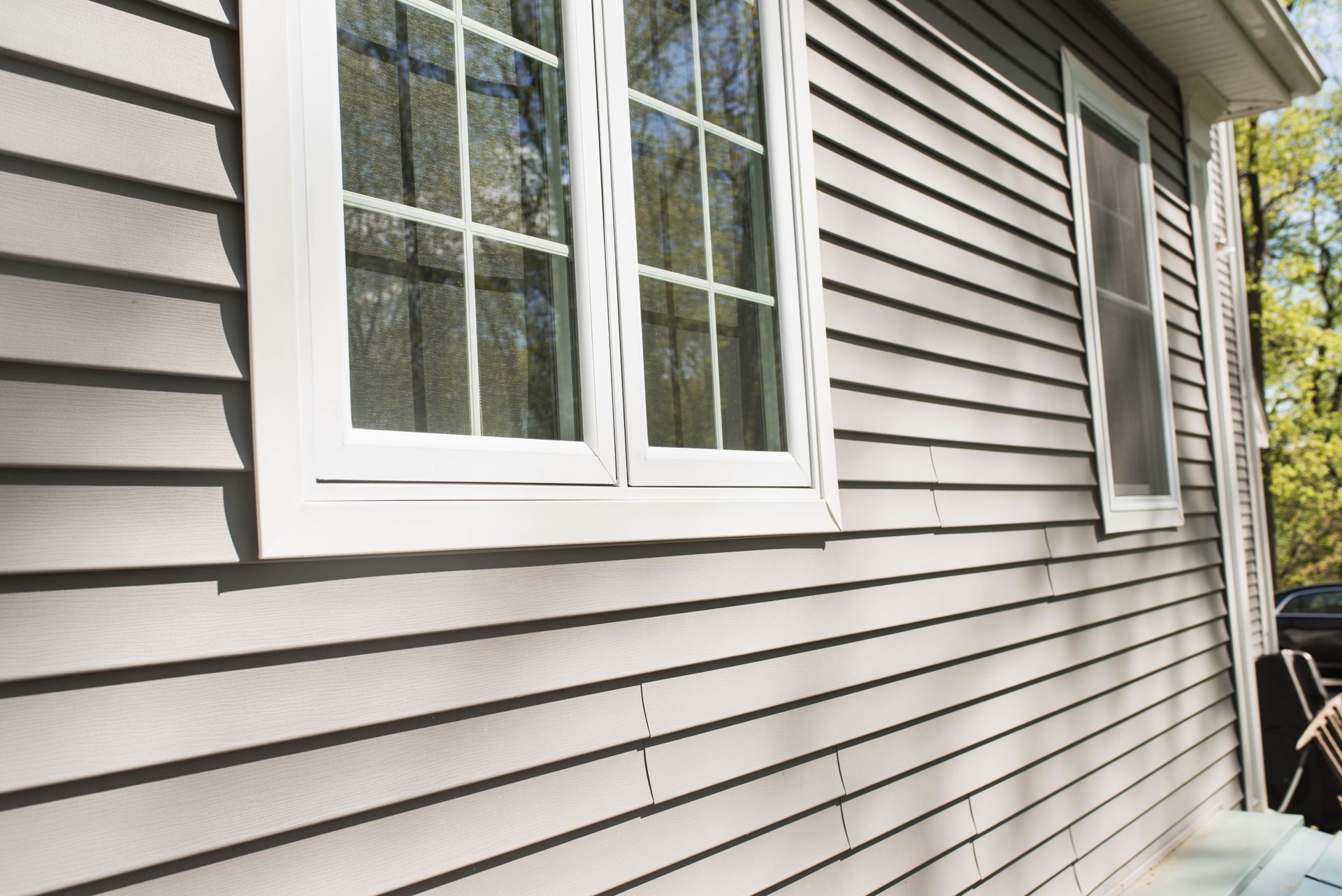
When old, clogged channels spill dirty rainwater over their front rims, the fluid sheets directly down the exterior walls of your property. This continuous exposure keeps your wood, vinyl, or fiber-cement siding damp for an extended period, creating an ideal environment for organic growth.
- Stopping dark mildew stains: Properly functioning channels guide the liquid away from the vertical face of your home, preventing unsightly green or black algae streaks from forming on your pristine paint.
- Preventing structural wood rot: Keeping water away from the architectural fascia boards and external trim prevents moisture from softening the underlying framing timbers over time.
- Protecting internal wall cavities: Eliminating external pooling ensures that moisture does not wick backward through the outer wrap and rot the hidden insulation layers within your walls.
Upgraded gutters keep the exterior envelope of your property completely dry, ensuring that harmful mold spores never get the chance to colonize your siding or compromise your indoor air quality.
4. Protecting Your Outdoor Patios and Concrete Walkways From Cracking
Heavy sheets of water falling from an expansive roof line do not just damage soft soil; they also wreak havoc on hard, solid surfaces like concrete patios, paver walkways, and asphalt driveways. The continuous, heavy impact of falling storm runoff accelerates the degradation of protective sealants and wears down the smooth surface aggregates.
Furthermore, when this water seeps underneath the hardscaping and saturates the supporting base material, it causes the underlying soil to shift, erode, and settle unevenly. During the colder winter months, this trapped sub-surface moisture freezes and expands rapidly, creating deep structural cracks and dangerous shifting hazards across your walkways. Installing brand new gutters prevents this localized saturation entirely, ensuring your expensive brickwork, stone patios, and poured concrete pathways remain perfectly flat and beautiful for decades.
5. Shielding Your Architectural Fascia and Soffit Panels From Rot
The fascia board is the long wooden or aluminum strip that runs directly along the lower edge of your roof line, serving as the solid mounting surface for your drainage brackets. When old channels fill with heavy, wet leaves and back up during a storm, the standing water submerges the rear edge of the metal trim and continuously soaks the adjacent wood.
Modern, professionally pitched seamless designs ensure that water never rests inside the channel long enough to overflow backward toward your roof edge. According to HomeGuide, the vast majority of residential drainage channel replacements take only one to two days to complete for an average-sized property. This rapid turnaround time means that your new equipment can be mounted quickly, which provides proactive protection that prevents moisture from wicking directly into the soffit ventilation panels and underlying structural rafters. Keeping these upper wooden elements dry blocks the onset of dry rot, prevents internal roof leaks, and saves you from performing incredibly expensive structural carpentry repairs down the road.
Implementing the Key Maintenance Strategies for Modern Exterior Drainage Systems
While installing advanced, newly manufactured gutters provides an immediate boost to your heavy storm defense, performing regular maintenance is still necessary to maximize their operational lifespan. Keeping your drainage paths clean ensures that your home continues to shed water beautifully year after year.
- Clean the channels twice every year: Remove fallen autumn leaves, pine needles, and spring windblown seeds at least twice annually to ensure the internal water pathways remain completely open.
- Check the structural mounting brackets: Inspect the hidden hangers and external brackets after severe winter freezes to verify that heavy ice accumulation has not loosened the fasteners.
- Verify downspout clearance: Ensure that the bottom horizontal extensions remain firmly attached and are cleared of any grass clippings, outdoor toys, or garden mulch that could block the exiting water.
- Install protective debris guards: Consider adding premium micro-mesh covers over your clean channels to block large leaves from entering the system, which results in significantly fewer manual cleanings.
Adopting these simple, proactive care steps ensures that your exterior drainage system maintains its structural integrity and performs flawlessly through the most intense summer downpours.
Upgrading your home drainage infrastructure is one of the most effective and practical ways to safeguard your foundation, landscaping, and basement from the devastating effects of intense storm runoff. When you are ready to enhance the safety and long-term durability of your residential property, the expert team at R & JL Exteriors is here to deliver top-tier craftsmanship and reliable
gutters tailored to your home.