How to Tell If Your Home's Siding Is No Longer Providing Adequate Protection
November 18, 2026
Your home's siding serves as an important barrier against rain, wind, sunlight, and other environmental conditions. However, siding can deteriorate over time, eventually losing its ability to protect the structure beneath it. Recognizing warning signs early can help homeowners address problems before they lead to expensive repairs, moisture damage, or reduced energy efficiency. While some issues require minor repairs, widespread deterioration could indicate that replacement is necessary. Understanding what to look for can help you determine when your home's exterior needs professional attention.
Understanding the Protective Role of Home Siding
Siding does more than improve a home's appearance. It helps shield exterior walls from moisture, temperature fluctuations, wind, and ultraviolet radiation. When properly maintained, it works alongside weather barriers, flashing, and other exterior components to protect the underlying structure. Proper siding installation is important because these components must work together to create an effective exterior barrier.
Damaged or aging materials can allow moisture to reach wall sheathing and framing. Over time, this exposure may contribute to wood rot, mold growth, and structural deterioration. Compromised siding can also contribute to drafts and inconsistent indoor temperatures.
Exterior condition can influence property value as well. Attractive, well-maintained siding creates a positive first impression and may make a home more appealing to prospective buyers. According to HomeGuide, replacing old siding typically provides a 75% to 85% return on investment, depending on the material. This makes an exterior upgrade a potentially worthwhile investment for homeowners planning to maintain or eventually sell their property.
Recognizing the Signs of Physical Siding Damage
Visible deterioration is often the easiest way to recognize that siding needs attention. Although some imperfections may seem minor, they can indicate that the material is no longer providing adequate protection. A professional evaluation can help determine whether repairs or new siding installation are necessary.
Cracks, Splits, and Holes
Cracks and splits can develop as siding ages or experiences repeated temperature changes. Even small openings may allow rainwater to reach underlying materials. Holes can also create entry points for insects and other pests. Homeowners should pay attention to damaged areas, especially when several sections show similar deterioration.
Warped or Buckled Panels
Siding that appears warped, bowed, or uneven may have experienced prolonged moisture exposure or improper fastening. These changes can prevent panels from fitting together correctly, creating gaps where water and air can enter. Warping may also indicate problems beneath the siding that require inspection.
Loose or Missing Sections
Loose panels, separated seams, and missing pieces leave exterior walls vulnerable to weather exposure. Strong winds can worsen existing damage, potentially displacing additional sections. Missing siding should be addressed promptly because exposed areas allow moisture, insects, and debris to reach vulnerable building materials.
Fading and Surface Deterioration
Sunlight and weather gradually affect exterior finishes. Significant fading, peeling paint, and brittle surfaces may indicate that siding is approaching the end of its useful life. Although discoloration alone does not necessarily mean replacement is required, it is worth examining alongside other signs of deterioration.
Identifying Signs of Moisture Intrusion
Water damage is one of the more serious consequences of failing siding. Moisture can travel behind exterior panels and affect wall components that are not immediately visible. Recognizing related warning signs can help homeowners identify problems before extensive deterioration develops.
Water Stains and Interior Discoloration
Brown stains, peeling paint, and discoloration on interior walls may indicate water entering through the exterior. These marks sometimes appear near windows, doors, or deteriorated siding seams. Although roof leaks and plumbing problems can produce similar symptoms, damaged siding should also be considered when investigating unexplained moisture.
Soft Wood and Rotting Materials
Wood trim, window surrounds, and other exterior components should remain firm and structurally sound. Soft spots, crumbling wood, or visible rot may indicate prolonged moisture exposure. If these problems appear near siding joints or damaged panels, water could be entering through compromised sections, which is a good indicator that new siding installation is needed.
Bubbling Paint and Peeling Finishes
Paint that bubbles, blisters, or separates from a surface may indicate moisture trapped beneath the finish. This can happen when water penetrates the exterior wall or existing materials cannot dry properly. Repainting without identifying the underlying moisture source will not resolve the problem.
Mold, Mildew, and Persistent Musty Odors
Recurring mold or mildew around exterior walls may suggest excessive moisture. Homeowners might also notice musty odors indoors, particularly near affected walls or windows. These conditions warrant further investigation because moisture trapped behind siding can create an environment where mold develops. Cleaning visible growth without addressing its source may only provide temporary improvement.
Evaluating Changes in Indoor Comfort and Energy Use
Problems with exterior siding can sometimes affect the indoor environment. While insulation, windows, ventilation, and HVAC equipment also influence household comfort, certain changes may indicate that the exterior needs attention.
Increasing Heating and Cooling Costs
Unexpected increases in utility bills may be associated with air leakage or deteriorating exterior materials. Gaps around siding panels can allow outside air to affect indoor temperatures, potentially making heating and cooling systems work harder. Comparing energy bills over several seasons can help homeowners recognize unusual changes.
Drafts and Uneven Temperatures
Cold spots near exterior walls or noticeable drafts around windows may indicate gaps in the building envelope. Damaged siding, deteriorated caulking, and compromised weather barriers can contribute to these conditions. A professional inspection can help determine whether the problem originates in the siding or another part of the exterior.
Excess Indoor Humidity
Persistent condensation, damp surfaces, or unusually high indoor humidity may indicate moisture management problems. Although household activities and ventilation also influence humidity, exterior water intrusion should not be overlooked. Identifying the source is important for preventing additional damage.
Considering the Effects of Siding Age and Maintenance
Even durable siding materials eventually experience wear. Their expected lifespans vary according to material type, installation quality, environmental exposure, and maintenance practices. Wood siding generally requires more frequent upkeep, while vinyl and fiber cement offer different durability and maintenance characteristics.
Regular cleaning and inspections can help homeowners identify early deterioration. Checking seams, examining areas around windows and doors, and looking for loose panels can reveal developing problems. After severe storms, inspecting the exterior for displaced or damaged materials is also worthwhile.
Previous workmanship can influence how well siding performs as it ages. Improper spacing, incorrect fastening, and poorly sealed openings can create vulnerabilities even when materials are relatively new. Quality siding installation accounts for material requirements, drainage, ventilation, and natural movement caused by temperature changes.
Homeowners should also consider whether isolated damage or widespread deterioration is present. A few damaged panels may be repairable, while extensive cracking, recurring moisture problems, and aging materials throughout the exterior may make replacement more practical.
Choosing Between Siding Repair and Replacement
Deciding whether to repair or replace siding depends on the extent of the damage, the material's condition, and the potential cost of continued maintenance. Minor problems, such as a loose panel or limited surface damage, may be addressed without replacing the entire exterior.
However, widespread deterioration can make repeated repairs less practical. If moisture has reached the underlying wall structure, affected materials may also require attention before new siding can be installed. Replacing deteriorated sections without correcting underlying problems could allow the same issues to return.
Modern siding products give homeowners opportunities to reconsider durability, appearance, and maintenance requirements. Options such as vinyl, metal, wood, and fiber cement offer different characteristics. Comparing these materials can help property owners select an option that suits their home's design and exposure to local weather conditions.
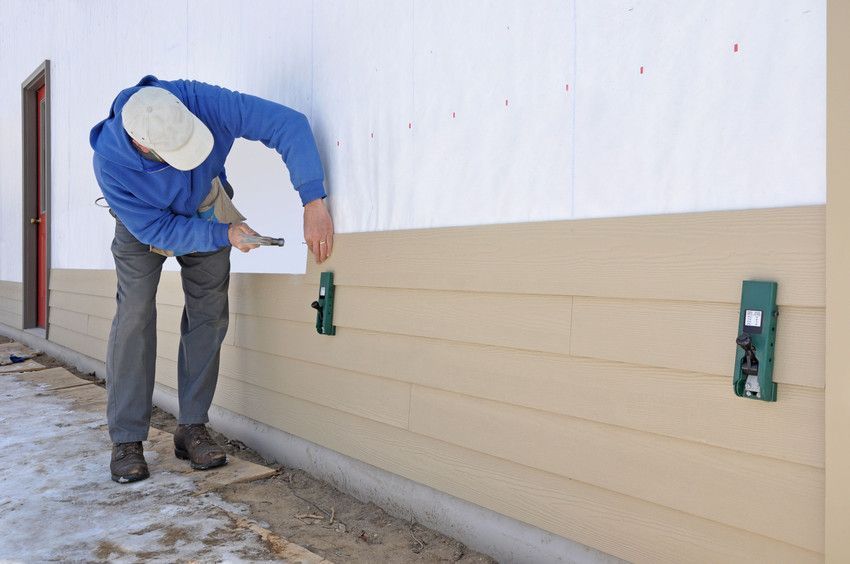
Professional siding installation involves more than attaching new panels to exterior walls. The process may include removing existing materials, inspecting the underlying surface, addressing damaged components, and preparing the exterior for the new product. Proper attention to flashing, weather barriers, and panel placement helps support the siding's protective function. Choosing qualified contractors for siding installation can help homeowners avoid common workmanship problems.
If your home's exterior is showing signs of deterioration, R & JL Exteriors can help you evaluate your options and plan the next steps. Professional guidance can help you choose suitable materials and approach siding installation with attention to your home's protective needs and appearance. Contact R & JL Exteriors to discuss your siding concerns and learn more about updating your home's exterior.