When is the Best Time for Siding Installation?
October 26, 2026
Choosing the right time to replace your home's siding can influence installation conditions, scheduling, and long-term performance. Siding protects exterior walls from moisture, wind, and changing temperatures while contributing to a property's appearance. Although homeowners often focus on materials and colors, timing is equally important. Weather conditions, seasonal demand, material availability, and the condition of existing siding can affect when work should begin. Planning a siding install carefully can help reduce delays and provide contractors with suitable working conditions. Understanding the advantages and challenges of different seasons can help homeowners determine when to schedule exterior improvements.
1. Considering Spring Weather Conditions
Spring is often a practical season for exterior improvements because temperatures begin to moderate after winter. Milder weather can provide comfortable working conditions and make siding materials easier to handle. Homeowners may also notice damage caused by winter storms, freezing temperatures, or accumulated moisture. Identifying these problems early allows property owners to consider repairs before another season of weather exposure. However, spring conditions can vary considerably depending on the region.
Frequent rain, muddy ground, and unpredictable temperatures can complicate scheduling. Wet surfaces may need time to dry before installation proceeds. Contractors must also follow manufacturer requirements concerning temperature and moisture. Homeowners planning spring projects should request estimates early because demand for exterior renovations often increases as temperatures rise. Allowing flexibility can help accommodate weather-related interruptions without rushing important installation procedures.
2. Evaluating Summer Installation Opportunities
Summer typically offers longer daylight hours and more opportunities for sustained outdoor work. These conditions can benefit projects involving siding removal, wall preparation, and installation. Extended daylight may provide additional scheduling flexibility, particularly for larger homes. Summer also allows homeowners to address exterior damage before colder weather arrives. However, installation conditions depend on local temperatures, humidity, and the materials being installed.
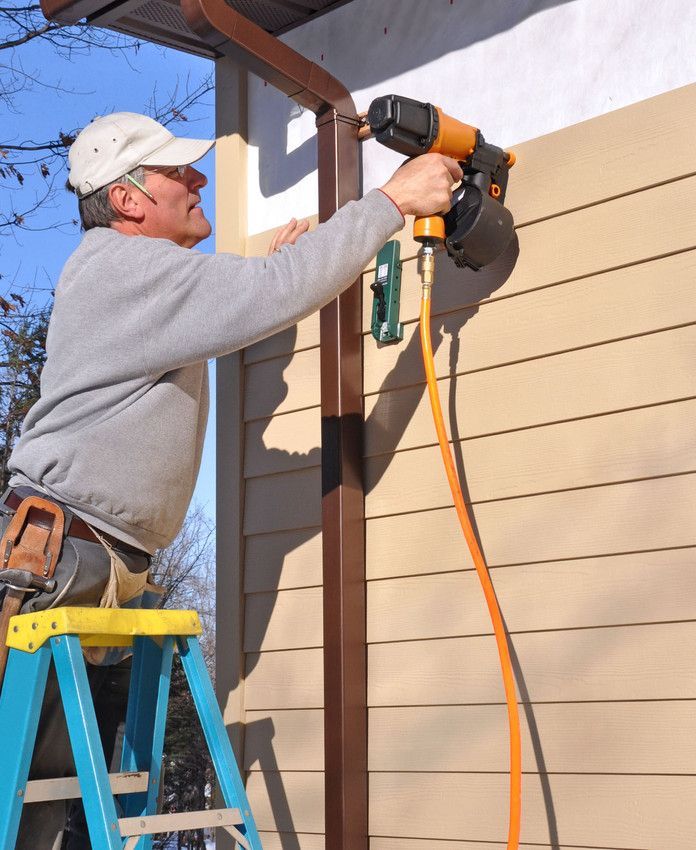
Excessive heat can create challenges for workers and affect how certain siding products are handled. Vinyl siding expands and contracts with temperature changes, making proper installation clearances important. Contractors must follow manufacturer instructions to accommodate this movement. Summer thunderstorms can also interrupt projects unexpectedly. Scheduling a siding install during this season may require planning around heat, precipitation, and contractor availability. Homeowners should discuss potential delays before selecting a start date.
3. Taking Advantage of Fall Temperatures
Fall can provide favorable conditions for siding replacement where temperatures remain moderate. Cooler weather may be more comfortable for installation crews than intense summer heat, while relatively stable conditions can support efficient work. Homeowners may also want to complete improvements before winter exposes vulnerable walls to freezing temperatures, snow, and wind. Replacing deteriorated siding during fall can help address gaps, loose panels, or moisture concerns before harsher conditions arrive.
However, shorter daylight hours and changing weather patterns can influence timelines. In colder regions, temperatures may drop quickly as the season progresses. Contractors must determine whether materials can be installed according to manufacturer specifications. Fall can also be busy for exterior contractors completing projects before winter. Requesting estimates and confirming material availability in advance can help homeowners secure a suitable installation window.
4. Understanding Winter Installation Challenges
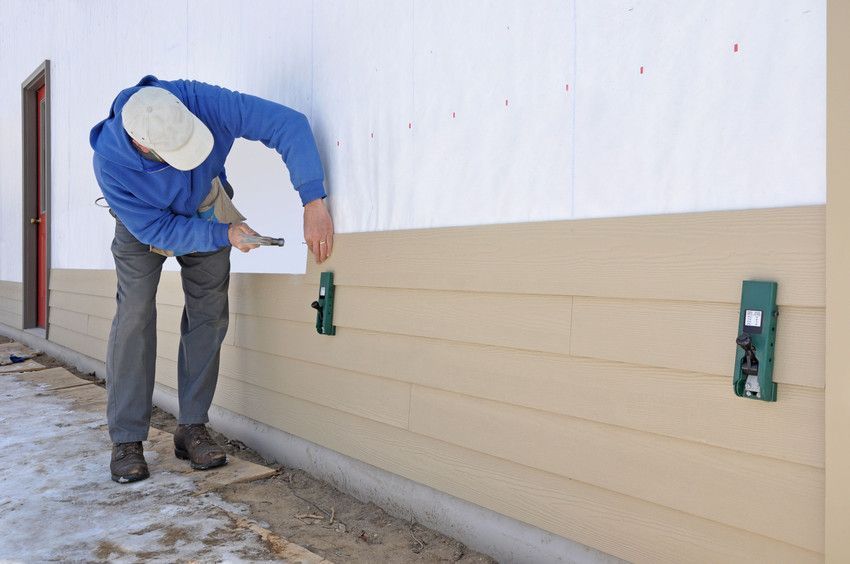
Winter siding projects are possible in some locations, but cold temperatures and severe weather introduce additional considerations. Snow, ice, freezing rain, and strong winds may create unsafe conditions or prevent access to exterior walls. Certain materials become more difficult to handle in low temperatures. Vinyl siding may become less flexible, increasing the importance of careful cutting and installation. These factors can affect project scheduling and installation methods.
In areas with mild winters, a siding install may still be practical when weather conditions meet product requirements. Some contractors may have greater scheduling availability during slower periods, although this varies. Homeowners should not assume winter automatically provides lower prices or faster completion. A professional evaluation can determine whether existing siding requires immediate attention or whether waiting for better conditions is appropriate. Safety, material performance, and moisture protection should guide the decision.
5. Recognizing Signs That Replacement Cannot Wait
Although seasonal timing matters, the condition of existing siding may be more important than the calendar. Cracked panels, loose sections, extensive warping, and visible deterioration can indicate that the exterior needs attention. Moisture stains, soft areas beneath siding, or recurring water intrusion may suggest underlying structural problems. Ignoring these conditions can allow damage to spread, potentially increasing the repairs required before new siding can be installed.
Homeowners who notice significant deterioration should arrange an inspection rather than postponing work until their preferred season. A contractor can evaluate whether repairs provide adequate protection or replacement is necessary. If water is entering the home, temporary protective measures may be needed while permanent work is arranged. Scheduling a siding install promptly can be important when damaged materials no longer protect vulnerable areas. The timeline should reflect the problem's severity and available installation conditions.
6. Comparing Siding Materials and Their Requirements
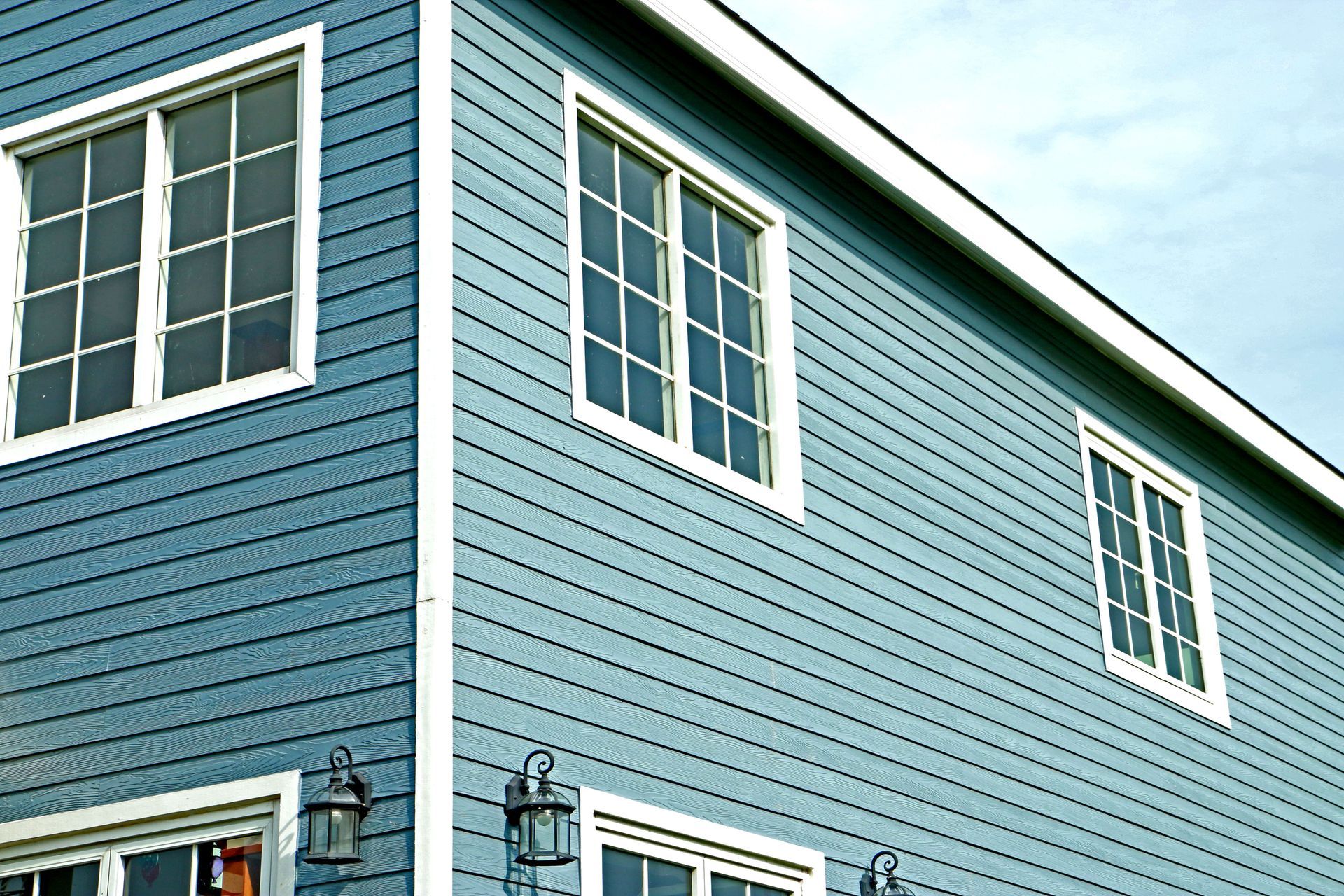
Different siding materials respond differently to temperature, moisture, and installation conditions. Vinyl, fiber cement, engineered wood, and other products have specific handling and fastening requirements. Some materials require careful attention to expansion, contraction, cutting, or moisture exposure. Selecting a product suited to the local climate can help homeowners balance appearance, maintenance, and long-term performance. Understanding these differences is useful when deciding what to install and when to schedule the project.
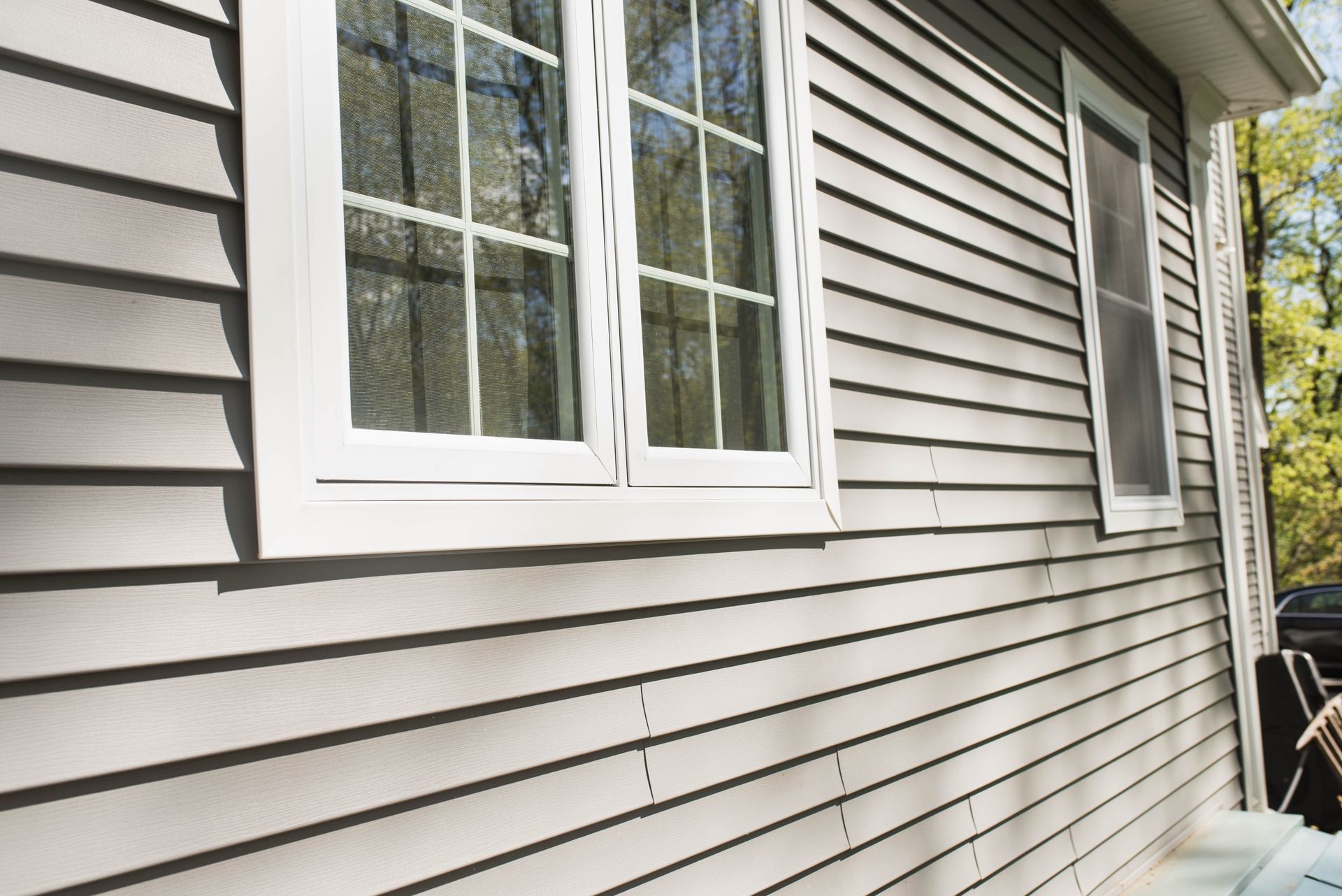
According to HomeGuide, vinyl is a widely preferred siding option because it requires minimal upkeep, comes in a variety of colors and styles, and typically lasts between 30 and 40 years. Despite these advantages, proper installation remains essential. Vinyl panels need appropriate clearances for temperature-related movement, while other products have their own fastening and sealing requirements. Contractors can explain how seasonal conditions influence installation procedures. Following manufacturer guidelines helps protect the finished exterior and supports reliable performance.
7. Planning Around Contractor Availability
The best installation season is not necessarily the one with the most favorable temperatures. Contractor schedules, material lead times, and project scope can also influence the ideal start date. Spring and summer may bring increased demand for exterior renovations, extending the time between an estimate and installation. Larger projects may require additional preparation, particularly when existing siding must be removed or damaged sheathing needs replacement.
Homeowners can improve scheduling flexibility by contacting contractors before their preferred installation period. An early consultation allows time to compare materials, review estimates, discuss warranties, and understand project requirements. Planning a siding install in advance can also help avoid rushed decisions about colors, trim details, and exterior features. Because unexpected repairs or weather delays may arise, maintaining flexibility is beneficial. Clear communication helps establish realistic expectations for the work.
8. Preparing the Property for Installation
Regardless of the season, preparing the property can help siding work proceed efficiently. Homeowners may need to move outdoor furniture, trim vegetation near exterior walls, and provide access to driveways or work areas. Decorations, lighting fixtures, and other attached items may require temporary removal. Contractors may also need electrical outlets and space for material deliveries. Discussing these details beforehand helps prevent interruptions once the project begins.
Preparation should include understanding what happens after existing siding is removed. Contractors may discover deteriorated sheathing, damaged insulation, or moisture problems that were previously concealed. Addressing these conditions before installing new materials helps protect the completed project. Homeowners should discuss how unexpected repairs will be approved. When planning a siding install, allowing time for inspections, preparation, and adjustments can support an organized process and properly finished exterior.
The best time for siding replacement depends on local weather, material requirements, contractor availability, and the condition of the existing exterior. Spring and fall often provide moderate temperatures, while summer offers longer working days and winter may be suitable in milder climates. However, serious damage should be evaluated promptly rather than postponed for seasonal convenience. Selecting appropriate materials, preparing the property, and planning ahead can help homeowners make informed decisions. Professional guidance is valuable when weather conditions or hidden damage create uncertainty. Whether replacing deteriorated panels or planning a complete exterior update, choosing an appropriate installation window can support lasting results. For professional siding services and guidance on scheduling your exterior improvement project, contact R & JL Exteriors today.