Essential Factors to Consider When Planning a Home Siding Upgrade
October 23, 2026
A home's siding protects exterior walls from weather while contributing to curb appeal. Over time, rain, wind, sunlight, and temperature changes can cause cracks, warping, and fading. Loose panels, peeling paint, or moisture stains may indicate underlying problems. A professional assessment helps determine whether repairs or replacement are necessary.
Cosmetic wear does not always mean the siding has failed, while seemingly minor gaps can allow water to reach underlying materials. A qualified contractor can inspect affected areas and identify possible sources of moisture. Addressing underlying concerns before siding installation helps support the performance and longevity of the finished exterior.
Comparing Siding Materials and Finishes
Siding products differ in appearance, maintenance requirements, durability, and price. Comparing these characteristics helps homeowners select materials that suit the building, local conditions, and long-term plans.
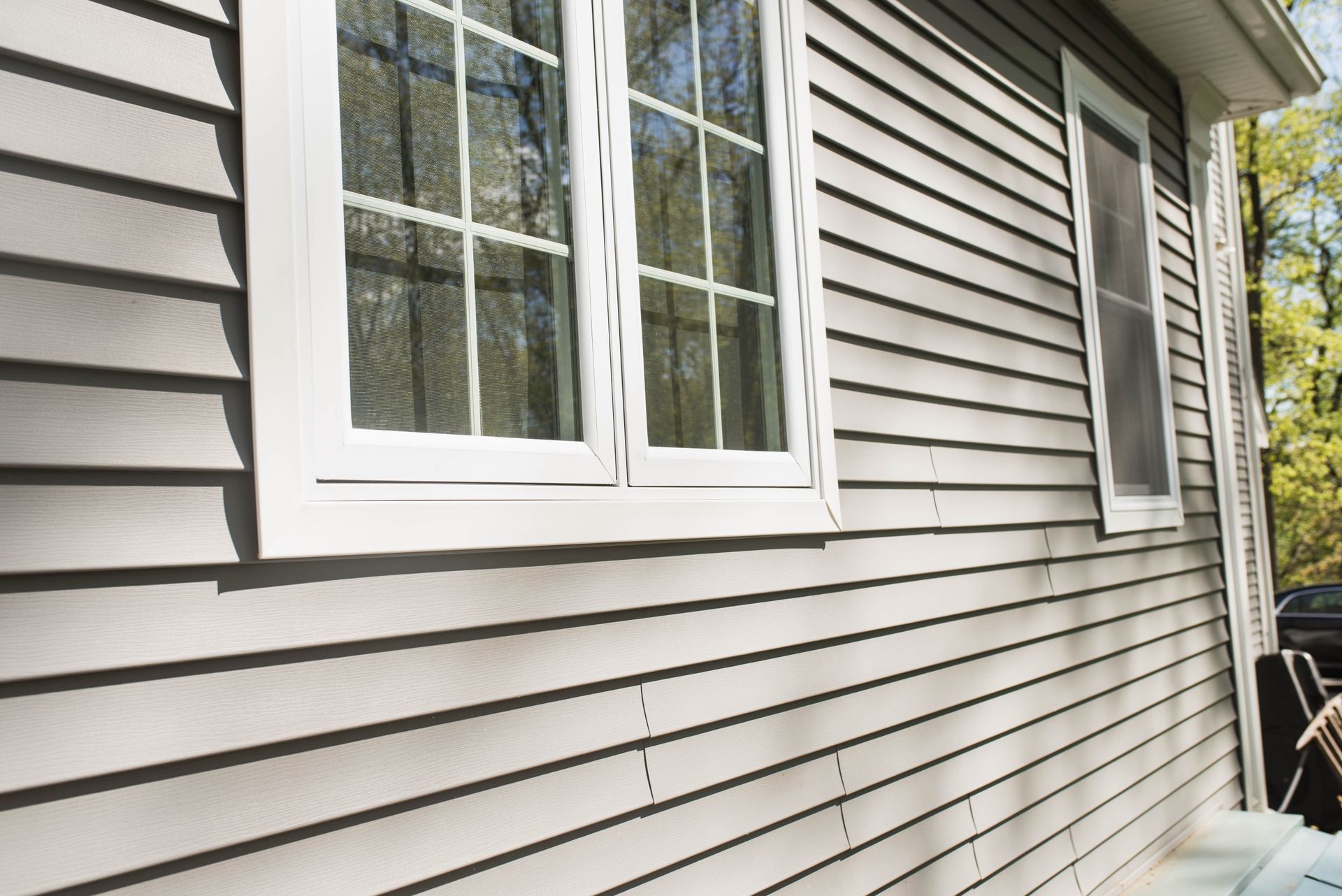
Vinyl siding is available in numerous colors and profiles and generally requires less routine maintenance than painted wood. However, its performance depends on product quality, installation details, and exposure to impacts or extreme temperatures.
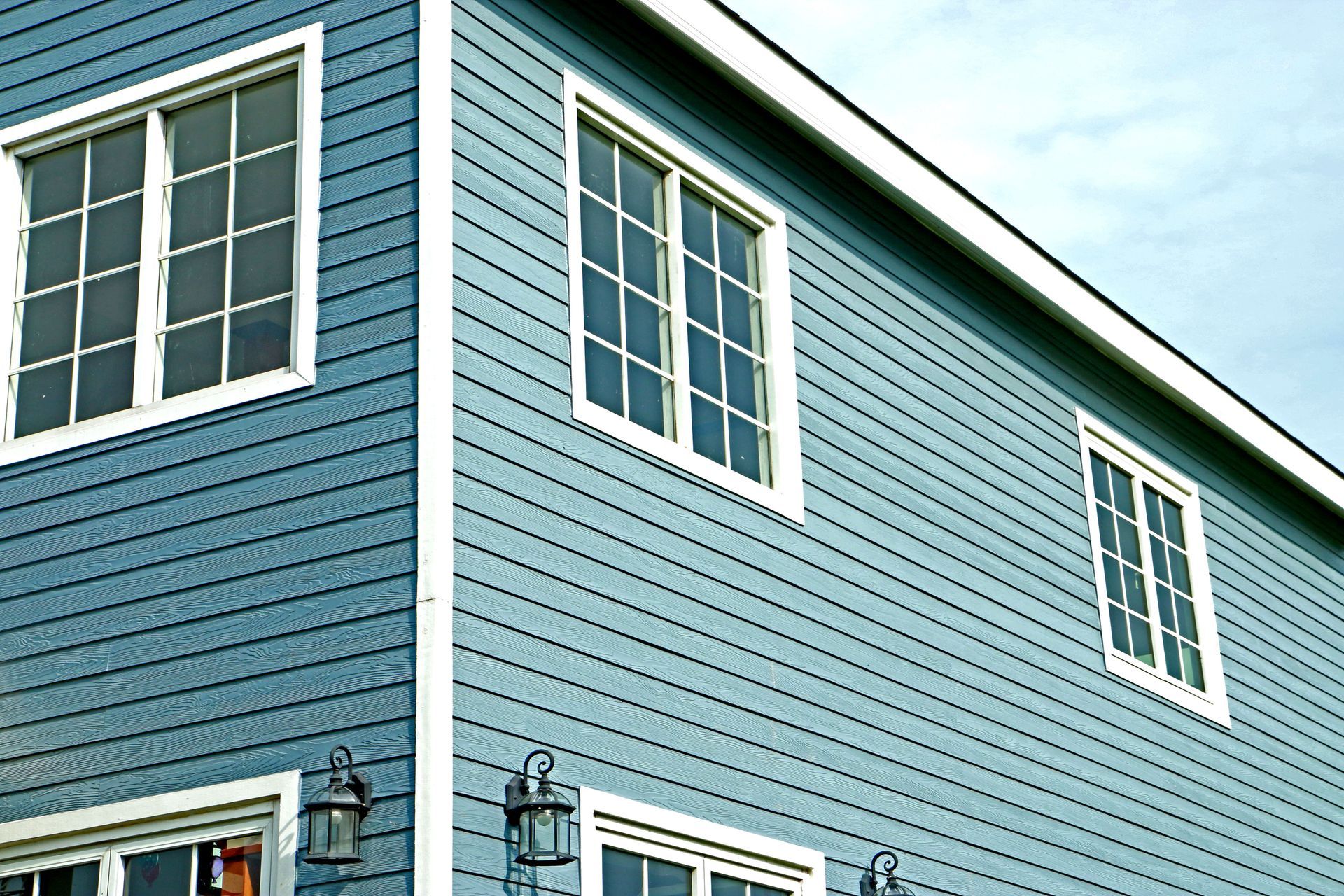
Fiber cement siding offers a durable exterior finish and can be manufactured to resemble wood. Wood siding provides a natural appearance that complements many architectural styles, but it typically requires ongoing attention to paint or stain and moisture exposure. Engineered wood and metal siding may also suit particular projects, depending on the home's design and the owner's preferences.
No single material is ideal for every property. Homeowners should compare warranties, maintenance expectations, and installed costs rather than choosing based on appearance alone. Color and profile also deserve consideration. A finish that complements the roof, windows, trim, and surrounding architecture can create a cohesive exterior.
Evaluating Weather Resistance and Moisture Control
Local weather should be a major factor in any exterior renovation. Rain, snow, wind, and seasonal temperature changes place different demands on siding systems. Materials need to suit the property's exposure, but the complete exterior assembly matters just as much. Flashing, drainage paths, trim, and the water-resistive barrier behind the siding all contribute to moisture management.
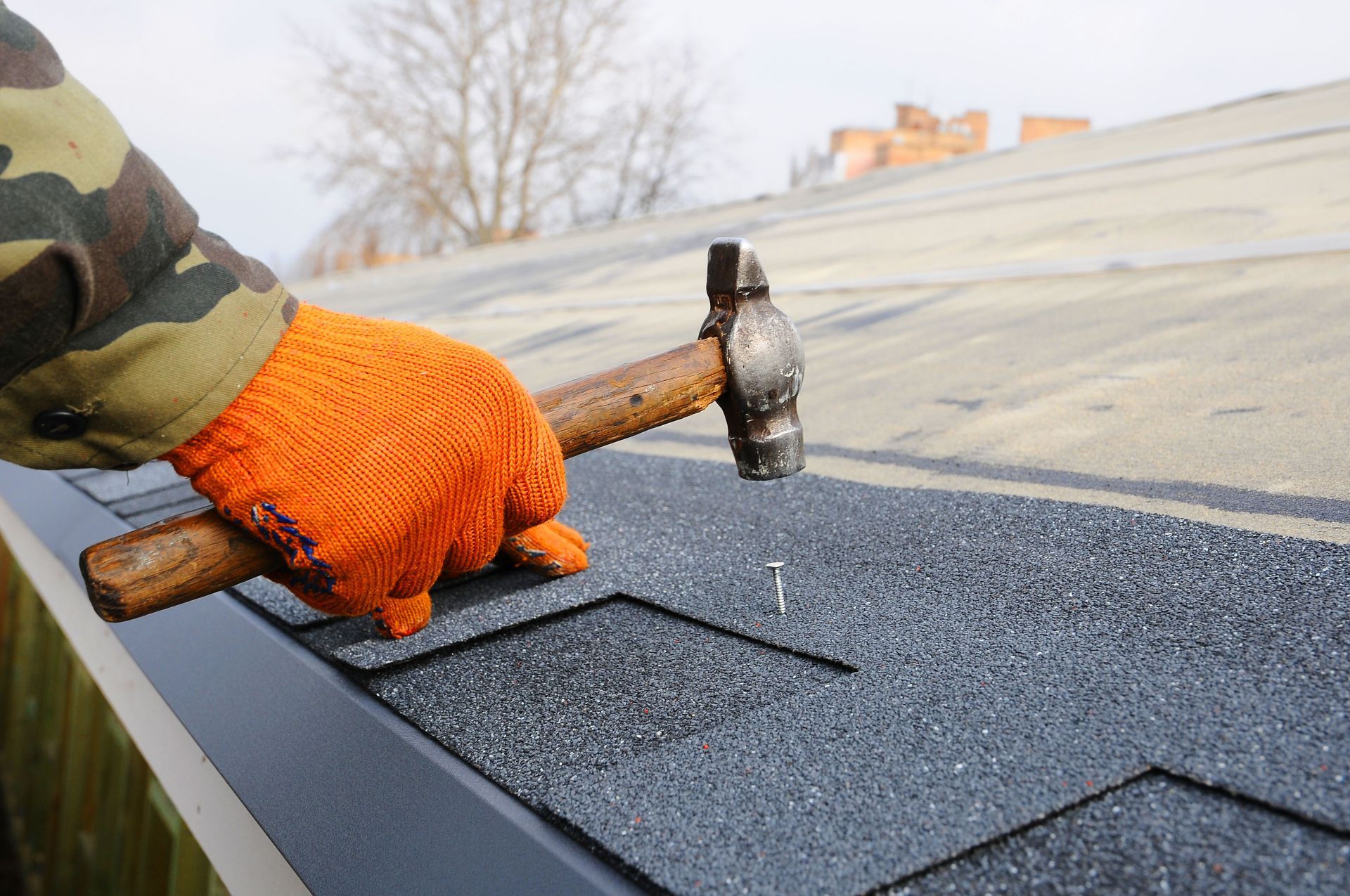
Siding cannot replace properly designed water management. Windows, doors, roof-to-wall intersections, and utility penetrations require careful detailing because water can enter around these transitions if components are damaged or incorrectly fitted. A professional assessment can identify vulnerable areas that need attention during the project.
Many siding materials expand and contract as temperatures change. Correct fastening, spacing, and clearances help accommodate movement according to product requirements. If these details are overlooked, the finished surface may buckle, shift, or develop gaps. Professional siding installation should follow manufacturer instructions and applicable building codes.
Considering Energy Performance and Indoor Comfort
Siding can contribute to a home's overall thermal performance, but it does not independently determine energy efficiency. Insulation, air sealing, windows, attic conditions, and heating and cooling equipment also affect indoor comfort. During an exterior renovation, homeowners can ask whether the existing wall assembly has insulation or air-leakage concerns that deserve evaluation.
Some siding systems can be paired with continuous insulation, depending on the building design and applicable requirements. The appropriate approach depends on wall construction, moisture management, and product specifications. These decisions should be reviewed by qualified professionals to avoid creating unintended moisture problems.
It is also important to maintain realistic expectations. Replacing siding may create an opportunity to address related exterior concerns, but energy savings are not guaranteed. A contractor can explain which improvements are included in the proposed scope and which would require separate work.
Planning the Project Scope and Budget
A clear project scope makes it easier to compare estimates and understand what the renovation includes. Homeowners should ask contractors to identify the proposed materials, areas covered, trim details, preparation work, cleanup, and related components included in the price. Estimates describing different levels of work may not be directly comparable.
The condition beneath existing siding can affect the final scope. After old materials are removed, a contractor may discover damaged sheathing, deteriorated trim, or evidence of moisture intrusion. Discussing how unexpected conditions will be documented, priced, and approved can reduce confusion if additional work becomes necessary.
Budget planning should account for more than visible panels. Flashing, water-resistive barriers, trim, disposal, and repairs may influence the overall cost. Product warranties and future maintenance expenses also deserve consideration. A lower initial price may not provide the best long-term value if important work is excluded or the selected materials do not meet the home's needs.
Market forecasts provide additional context for homeowners considering exterior improvements. According to Markets and Markets, the siding market is projected to reach USD 126.3 billion, growing at a compound annual growth rate (CAGR) of 4.0%. This forecast indicates anticipated market expansion, although it does not determine which materials are best for an individual property.
Reviewing Contractor Qualifications and Workmanship
The quality of the finished exterior depends on both the materials selected and the way they are installed. Homeowners should look for contractors who can explain their experience, proposed methods, materials, schedule, and project terms. Licensing and insurance requirements vary by location, so property owners should confirm applicable requirements and request relevant documentation.
Written estimates should specify the work included and explain how changes will be handled. Homeowners can also ask about material and workmanship warranties, references from comparable projects, and procedures for addressing unexpected damage. A reliable contractor should explain available options without making unrealistic promises.
Before work begins, discuss property access, landscaping protection, debris removal, and work-area organization. These details help residents prepare for construction and understand what to expect throughout the project.
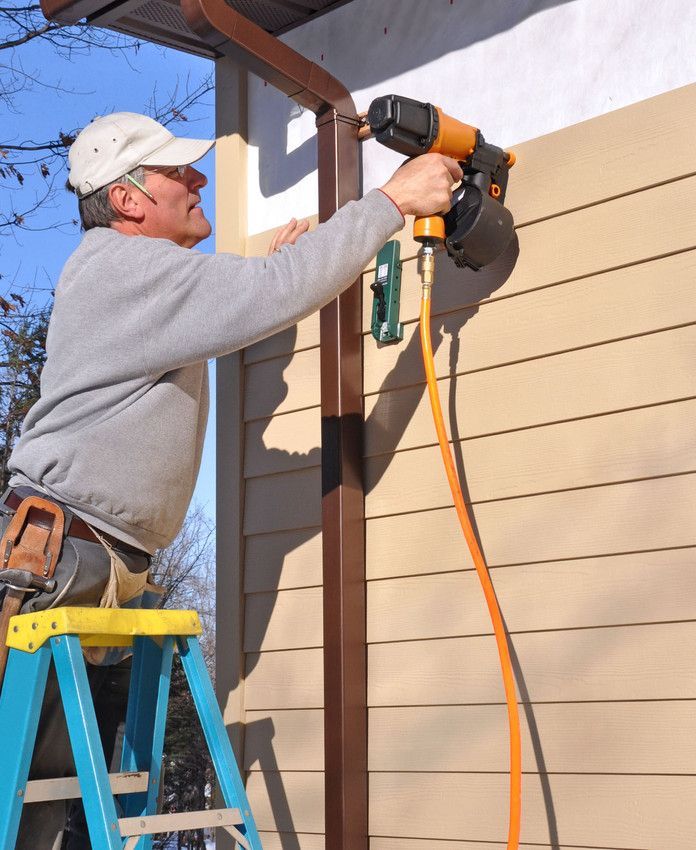
Attention to preparation, flashing, fastening, clearances, and transitions around openings helps support the exterior system's intended performance. Hiring a qualified team for siding installation can help ensure the work follows product requirements and applicable building codes.
Scheduling Work Around Seasonal Conditions
Weather can affect project scheduling and the handling of certain materials. Temperature limits, precipitation, and manufacturer instructions may determine when specific products can be installed. Rather than assuming one season is always best, homeowners should ask how local conditions and material requirements influence the schedule.
Planning ahead provides time to compare products, confirm the scope, and coordinate exterior work with other renovations. If the existing siding shows significant damage or signs of water intrusion, homeowners should arrange a professional assessment promptly instead of delaying solely to reach a preferred season.
Seasonal changes also influence ongoing maintenance. Wind-driven rain, snow, and temperature fluctuations can expose weaknesses around trim and openings. Periodic checks after severe weather may help identify concerns that warrant professional attention.
Maintaining the Finished Exterior
After an upgrade, maintenance needs depend on the selected material and manufacturer recommendations. Regular visual checks can help homeowners notice loose panels, damaged trim, failing sealant, or unusual staining. Gutters and downspouts should direct water away from exterior walls, while shrubs should be managed to prevent prolonged contact with siding.
Cleaning methods should match the material. High-pressure washing, abrasive tools, or unsuitable cleaning solutions may damage some surfaces. Homeowners should follow product guidance and seek professional advice when addressing stubborn dirt, discoloration, or suspected damage.
Keep copies of product information, warranty documents, and the contractor's scope of work. These records can guide future maintenance and clarify which materials were used if repairs become necessary. If a problem appears, prompt evaluation can help determine whether it involves the siding or another part of the exterior assembly.
A carefully planned siding installation can improve a home's appearance while helping protect its exterior from changing weather conditions. Before choosing materials, consider the property's current condition, local climate, maintenance preferences, budget, and the details of the proposed work. R & JL Exteriors can help you evaluate your home's exterior needs and explore suitable upgrade options, so contact the team today to discuss your project.