How Roofing Services Evaluate Metal Roofs for Energy Efficiency
November 20, 2026
Metal roofing offers homeowners an opportunity to improve energy efficiency, durability, and long-term property value. Its performance depends on material selection, insulation, ventilation, and installation quality. In Salt Lake County, hot summers and cold winters make effective temperature regulation especially important.
Professional roofing services evaluate how a metal roof interacts with sunlight, outdoor temperatures, and existing insulation to identify opportunities for improved efficiency. A properly assessed roofing system can help manage heat transfer, support indoor comfort, and potentially reduce household energy demands throughout the year.
Assessing Metal Roof Reflectivity and Heat Absorption
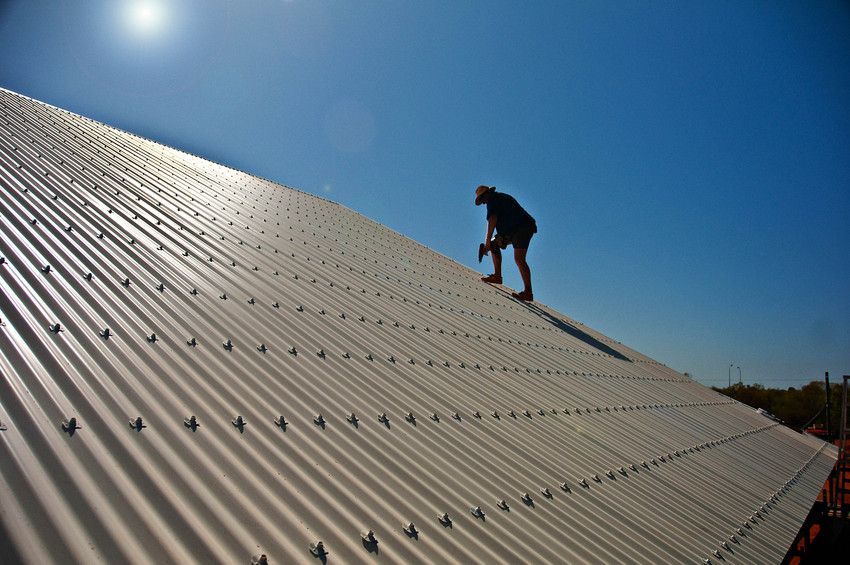
One of the first factors professionals consider when evaluating a metal roof is its ability to reflect sunlight. Traditional roofing materials can absorb significant amounts of solar radiation, allowing heat to transfer into the structure below. Metal roofing products, particularly those with reflective finishes, can help limit this heat absorption.
A roof's reflectivity describes how much sunlight its surface reflects rather than absorbs. Materials with higher solar reflectance can help keep roof surfaces cooler during sunny weather, potentially reducing the amount of heat entering the attic and living spaces.
Color and finish also influence a metal roof's thermal performance. Lighter-colored roofing generally reflects more sunlight than darker alternatives, although specialized reflective coatings can improve performance across different colors. Professionals evaluate these characteristics when determining whether an existing metal roof is contributing to unnecessary cooling demands.
For Salt Lake County homeowners, this consideration is especially relevant during the summer. Prolonged sunshine and high daytime temperatures can increase indoor cooling needs. Professional roofing services can help identify metal roofing materials and finishes that align with a property's energy efficiency goals without overlooking architectural preferences.
Evaluating Insulation and Thermal Performance
Reflectivity is only one part of an energy-efficient roofing system. Insulation also plays an essential role in controlling heat transfer between the attic and the living areas below. Even a highly reflective metal roof may deliver limited energy benefits if the home has inadequate insulation.
During an evaluation, professionals consider the existing insulation's condition, coverage, and effectiveness. They look for areas where insufficient insulation may allow unwanted heat to enter during summer or escape during winter. These concerns can affect indoor comfort and increase the workload placed on heating and cooling equipment.
Metal roofs can also be installed with different underlayment and insulation configurations. The appropriate combination depends on the roof's design, the property's construction, and local climate considerations. A professional assessment helps determine whether the existing assembly provides suitable thermal protection or whether improvements may be beneficial.
Another important consideration is thermal bridging. This occurs when heat travels through materials that conduct temperature more readily than the surrounding insulation. Certain roofing connections and structural components can create pathways for heat transfer if the overall assembly is not properly designed.
Experienced roofing services evaluate these details as part of a broader assessment. By considering the relationship between the metal panels, underlayment, insulation, and supporting structure, professionals can provide recommendations that address the complete roofing system rather than focusing on one material alone.
Examining Ventilation and Moisture Control
Proper attic ventilation contributes to a roof's overall energy performance. A well-designed ventilation system helps regulate attic temperatures by allowing outdoor air to move through designated intake and exhaust openings. During warmer months, this airflow can help limit excessive heat accumulation in the attic.
Without adequate ventilation, trapped heat may increase temperatures in the spaces beneath the roof. This can contribute to greater cooling demands, particularly when insulation and air sealing are also insufficient. In colder months, balanced ventilation and appropriate moisture management can help reduce condensation concerns.
Moisture control is particularly important because trapped humidity can affect insulation performance and contribute to deterioration in certain building materials. Metal roofing itself is resistant to many forms of weather-related damage, but the complete roofing assembly still needs appropriate protection against moisture intrusion.
Professionals examine existing ventilation openings, attic conditions, and potential airflow restrictions when evaluating a metal roof. They also consider whether the current ventilation arrangement is suitable for the property's design.
In Salt Lake County, changing seasonal temperatures make proper ventilation and moisture management valuable throughout the year. A comprehensive evaluation can help homeowners understand whether their roofing system supports appropriate airflow while maintaining effective thermal protection.
Comparing Metal Roofing Materials and Coatings
Not all metal roofing products offer the same energy performance. Different materials, coatings, profiles, and finishes can influence how a roof responds to sunlight and changing outdoor temperatures. Selecting an appropriate product is therefore an important part of achieving long-term efficiency.
Steel and aluminum are common metal roofing materials, each offering different characteristics in terms of weight, durability, and maintenance requirements. The choice often depends on the property's structural considerations, design preferences, budget, and environmental exposure.
Reflective coatings are another important feature. Some metal roofing products use specialized finishes designed to reflect a greater portion of solar radiation. These coatings may help reduce surface temperatures and support lower cooling demands during warmer periods.
According to Insider, homeowners may be able to save as much as 40% on annual energy costs with metal roofing. Actual savings vary depending on the roofing material, climate, insulation, ventilation, energy usage, and condition of the existing roof. The figure highlights the potential energy benefits of metal roofing, but it should not be treated as a guaranteed reduction for every property.
Professional roofing services help homeowners compare available materials and finishes based on their property's specific requirements. Rather than focusing exclusively on advertised efficiency claims, an evaluation considers how each product is expected to perform as part of the complete roofing system.
Inspecting Roof Condition and Installation Quality
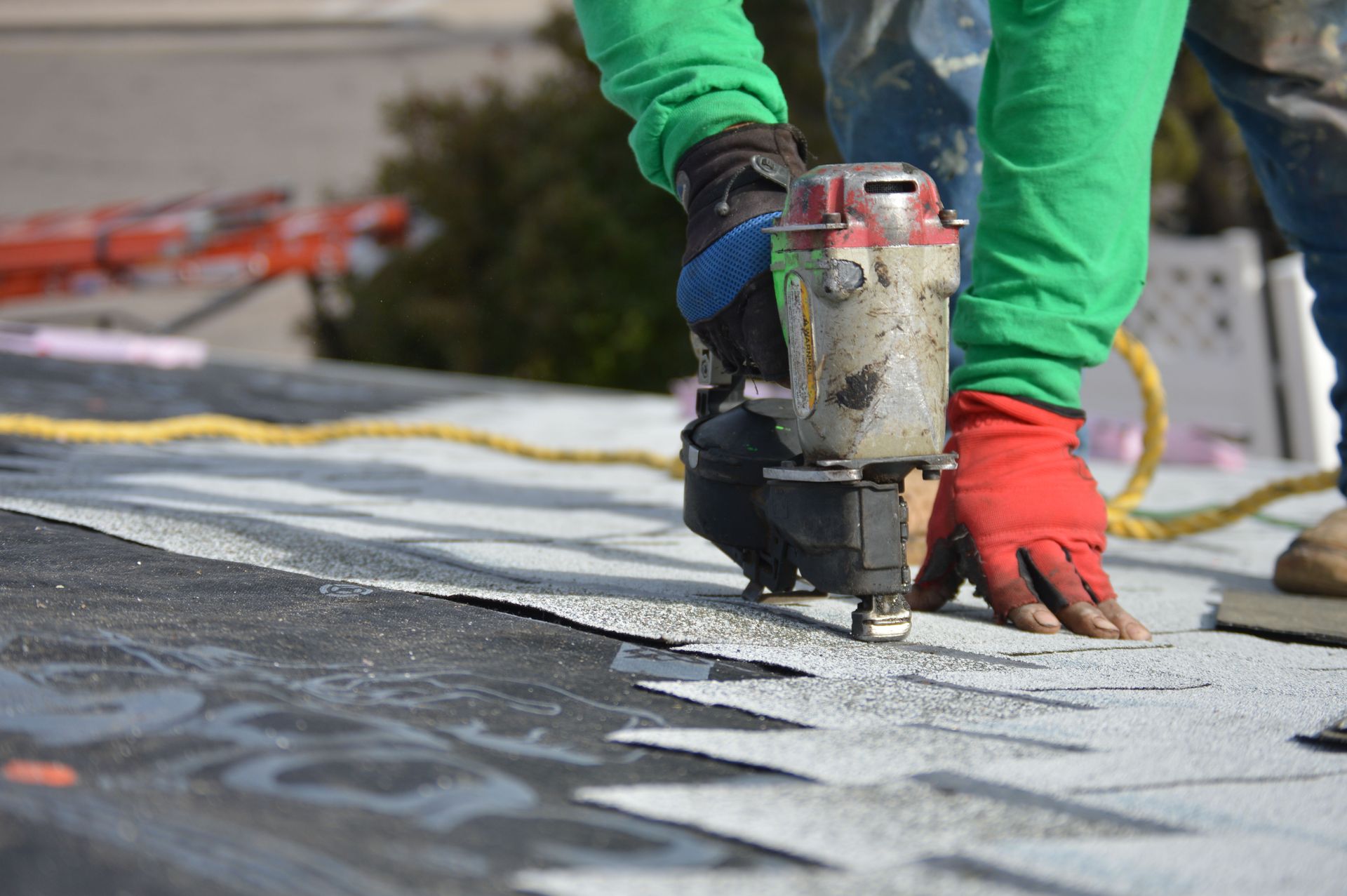
Even high-performance metal roofing materials may not deliver their intended benefits when installation quality is compromised. Gaps, improperly secured panels, damaged flashing, and deteriorating seals can affect the roof's ability to protect the home from outdoor conditions.
During an inspection, professionals examine panel alignment, fastening systems, seams, flashing, and areas surrounding roof penetrations. These locations are particularly important because improper connections can create opportunities for air or moisture intrusion.
The condition of protective coatings also deserves attention. Scratches, corrosion, and deteriorating finishes may affect the roof's durability and long-term performance. Identifying these concerns early allows homeowners to understand whether maintenance or repairs may be appropriate.
Age is another consideration. Although metal roofs are known for their longevity, exposure to sunlight, temperature changes, wind, and precipitation can gradually affect certain components. Regular professional evaluations help determine whether the roofing system continues to perform as intended.
Quality installation and timely maintenance support the benefits associated with metal roofing. Professional roofing services can identify concerns that may otherwise go unnoticed and recommend appropriate solutions based on the roof's overall condition.
Considering Seasonal Energy Demands in Salt Lake County
Local weather conditions play an important role in determining how effectively a metal roof supports energy efficiency. Salt Lake County experiences distinct seasonal changes, including hot summer days, cold winter conditions, and temperature fluctuations throughout the year.
During summer, reflective metal roofing can help reduce solar heat absorption. This may support more manageable indoor temperatures and reduce the demand placed on air conditioning systems. However, insulation and ventilation must also function properly to help limit heat transfer into the home.
Winter presents different challenges. Although metal roofing does not automatically provide superior insulation, a properly designed roofing assembly can help maintain indoor comfort by limiting unwanted heat loss. Adequate insulation, effective air sealing, and appropriate moisture management remain essential.
Metal roofs require proper evaluation to manage seasonal weather and energy efficiency. Professional roofing services assess snow performance, drainage, insulation, ventilation, and material condition, helping homeowners identify improvements that support durability, indoor comfort, and long-term energy savings.
For property owners throughout Salt Lake County, choosing an experienced contractor is an important step toward maintaining a dependable and energy-conscious roofing system. R & JL Exteriors provides professional exterior and roofing solutions tailored to local property needs. Contact the team today to schedule an evaluation and explore metal roofing options that support your home's comfort, durability, and energy efficiency.