How a Roofing Contractor Matches Shingles to an Existing Roof
November 24, 2026
Replacing shingles doesn't always mean replacing an entire roof. When a section becomes damaged, homeowners may prefer a repair that blends with the existing roofing materials and maintains the property's original appearance. However, matching shingles involves more than finding a similar color. Roof age, material type, weather exposure, manufacturer details, and natural fading can all affect how well new shingles complement the existing surface.
An experienced roofing contractor considers these details before recommending replacement materials. Careful product selection helps create a more consistent appearance while supporting the roof's performance and protecting the home from the elements. Understanding how this matching process works can help homeowners make informed decisions when planning roof repairs or improvements.
Evaluating the Existing Roofing Materials
The first step in matching shingles is identifying the materials already installed on the roof. Asphalt shingles are especially common in residential construction. According to Ruby Home, approximately three-quarters of roofs are built with asphalt shingles, making this material a familiar choice for many homeowners.
However, asphalt shingles aren't all manufactured the same way. Architectural, three-tab, and luxury shingles have different profiles, thicknesses, textures, and visual characteristics. Even products within the same category can vary significantly between manufacturers.
A roofing contractor examines the existing shingles to determine their general type, dimensions, and construction. This evaluation helps narrow down compatible replacement options and prevents mismatched materials from creating noticeable differences across the roof.
The existing roof's overall design also matters. A home with dimensional shingles may look inconsistent if a repair uses thinner, flatter materials. Similarly, replacing a small section with shingles that have a substantially different texture can make the repaired area stand out.
Comparing Shingle Colors and Blends
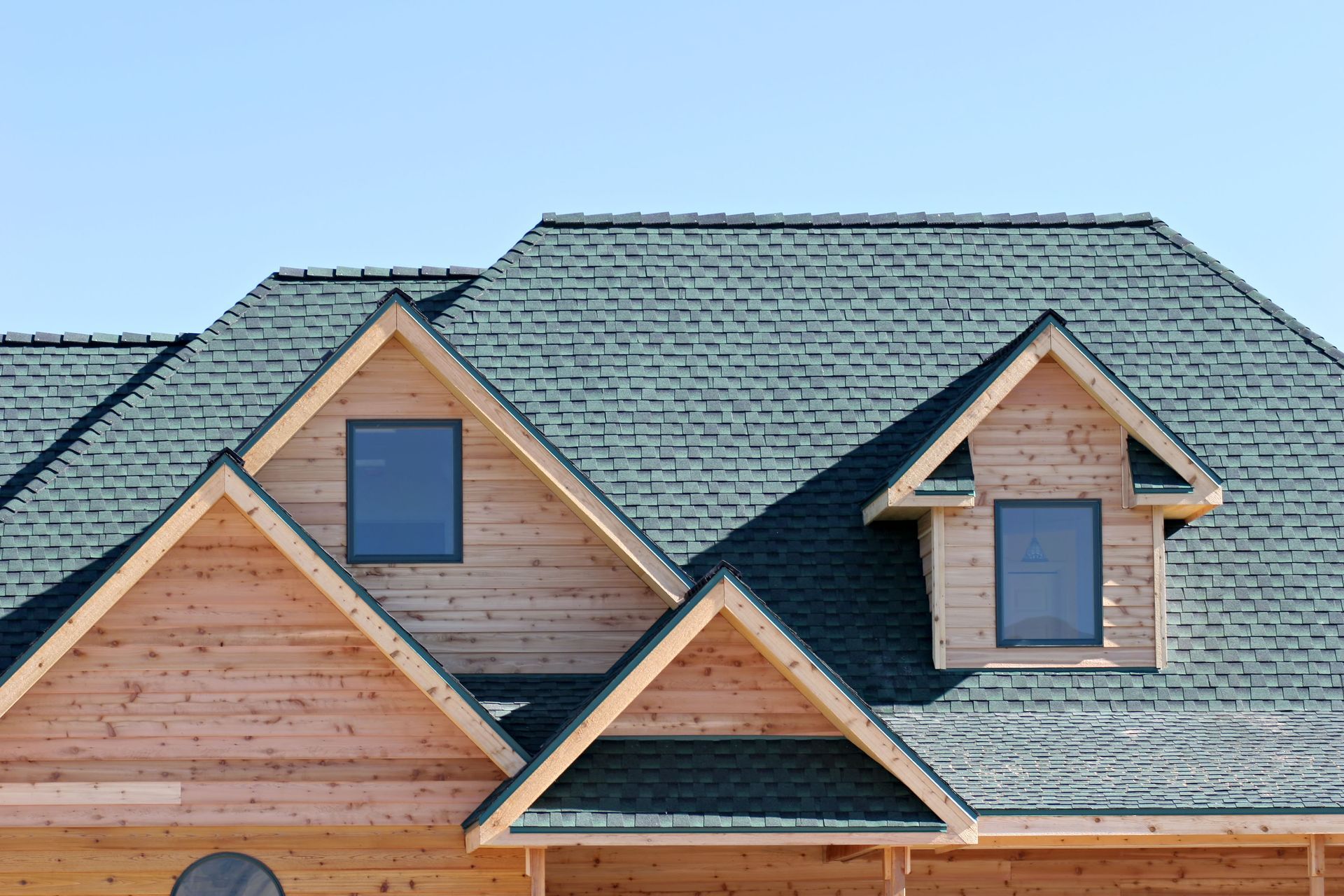
Color is one of the most noticeable considerations when selecting replacement shingles. Manufacturers offer a variety of shades, including gray, brown, black, red, and blended colors. Some products incorporate multiple tones within individual shingles to create depth and variation.
Finding a close color match requires looking beyond the name printed on the product packaging. Two manufacturers might describe their shingles as charcoal gray, but their actual colors could differ under natural lighting.
Sun exposure also changes a roof's appearance over time. Existing shingles may gradually fade, darken, or develop subtle variations due to years of exposure to ultraviolet radiation, moisture, and changing temperatures. Consequently, a new shingle that originally matched the installed material may appear noticeably different beside older roofing.
An experienced roofing contractor evaluates color under natural lighting whenever possible. Looking at the roof from different angles can also help reveal differences that aren't immediately apparent from a single viewpoint.
Rather than relying exclusively on manufacturer color names, professionals compare physical samples with the existing roof. This approach provides a more realistic understanding of how replacement materials may look once installed.
Checking Manufacturer and Product Availability
Identifying the original manufacturer can make the matching process easier. Shingle packaging, installation records, previous invoices, and leftover materials may provide useful information about the original product.
If the manufacturer and product line are known, professionals can investigate whether the same shingles are still available. Finding the original product can improve the likelihood of a close match, particularly when the roof is relatively new.
However, manufacturers regularly update their product collections. Colors may be discontinued, product dimensions can change, and manufacturing processes may result in slight differences between older and newer materials.
A roofing contractor considers these limitations when identifying potential replacements. If the original shingle is unavailable, the next step is finding an alternative with comparable characteristics.
This may involve comparing several products from different manufacturers. Professionals look at color, thickness, profile, material composition, and overall appearance before determining which option offers the closest practical match.
Accounting for Roof Age and Weather Exposure
A roof's age plays an important role in shingle selection. Even high-quality materials change gradually as they experience seasonal weather conditions.
In Utah, roofs may experience intense sunlight, temperature fluctuations, snow, ice, and periods of heavy precipitation. These conditions can influence how roofing materials age and how closely new shingles blend with older ones.
For example, prolonged sun exposure may cause certain colors to fade, while accumulated environmental debris can affect the appearance of individual sections. Snow and ice exposure can also contribute to wear over time.
These differences make it important to evaluate the roof as it currently appears rather than assuming its original color and condition remain unchanged.
A roofing contractor considers the roof's exposure, visible aging, and surrounding environmental conditions when selecting replacement shingles. This assessment helps establish realistic expectations about the finished appearance.
It also helps determine whether matching materials is a reasonable option or whether broader replacement considerations deserve attention.
Matching Shingle Profiles and Textures
Color isn't the only feature that influences how well replacement shingles blend with an existing roof. Their shape, thickness, and surface texture also contribute to the finished appearance.
Three-tab shingles generally have a flatter profile with evenly spaced cutouts. Architectural shingles feature multiple layers and dimensional patterns that create a more textured appearance. Luxury shingles may replicate the appearance of premium roofing materials while offering their own distinctive construction.
Using different shingle styles in the same visible area can create inconsistencies, even when the colors are similar. Differences in thickness may also affect how replacement materials sit against the surrounding shingles.
Professionals examine these characteristics before choosing a product. They consider the existing roof's visual depth, pattern, and overall composition to identify materials that complement the original installation.
Matching the profile is particularly important when repairs involve prominent sections of the roof. Areas visible from the street or surrounding properties may make small differences more noticeable.
Considering the Extent of the Roofing Damage
The size and location of the damaged area influence which matching options are practical. A small repair may allow professionals to replace individual shingles or a limited section while retaining most of the existing roofing system.
However, larger areas of damage can create additional challenges. If shingles across multiple sections show significant aging or wear, finding replacement materials that blend consistently may become more difficult.
The condition of the surrounding roofing system also matters. Professionals assess whether the existing shingles are still serviceable and whether the underlying components appear to be in suitable condition.
When damage extends beyond the visible shingles, simply matching the surface materials may not address the entire problem. Proper repairs should account for the roof's overall condition and the protection it provides against moisture.
A roofing contractor evaluates the damaged area alongside the surrounding materials before recommending an appropriate solution. This helps homeowners understand whether a localized repair or a more extensive project makes sense for their property's needs.
Balancing Appearance With Roofing Performance
A close visual match is important, but appearance shouldn't be the only factor guiding shingle selection. Replacement materials must also be appropriate for the roof's design, slope, and environmental exposure.
Compatibility with the existing roofing system helps support proper installation and long-term performance. Professionals consider manufacturer specifications, applicable building requirements, and the condition of surrounding materials when evaluating replacement products.
Underlayment, flashing, ventilation, and other roofing components may also need attention depending on the scope of the project. These elements contribute to the roof's ability to manage moisture and withstand changing weather conditions.
Perfect shingle matches aren't always possible because of manufacturing differences, product availability, and natural aging. An experienced roofing contractor evaluates color, texture, material, and roof condition to recommend compatible replacements, helping homeowners maintain their property's appearance while supporting long-term roofing performance.
When you're ready to address damaged shingles or explore replacement options, contact R & JL Exteriors to schedule a professional roof evaluation and discuss solutions that complement your existing roof.