The Pros and Cons of Different Gutter Materials
August 24, 2026
Rainwater management is fundamental for protecting a structure from moisture damage, keeping roofing and exterior trim in excellent condition. Directing precipitation away preserves the structural integrity of residential properties and landscaping. Prioritizing the right drainage system ensures excellent functionality and aesthetic appeal. The components chosen dictate how well the home withstands environmental elements during storms. A well-designed defense mechanism guarantees structural safety and helps prevent serious foundation issues.
Making an informed choice involves examining options like aluminum, copper, and steel. According to Synchrony Bank, durability depends heavily on material composition; while some alternative materials last 10 to 15 years, aluminum holds up for 25 years, and copper provides enduring protection for up to 100 years. Understanding these differences helps property owners align upgrades with long-term preservation goals. Prioritizing the right material ensures superb performance, combining practical rainwater redirection with elevated residential design for optimal defense.
Examining Aluminum Systems
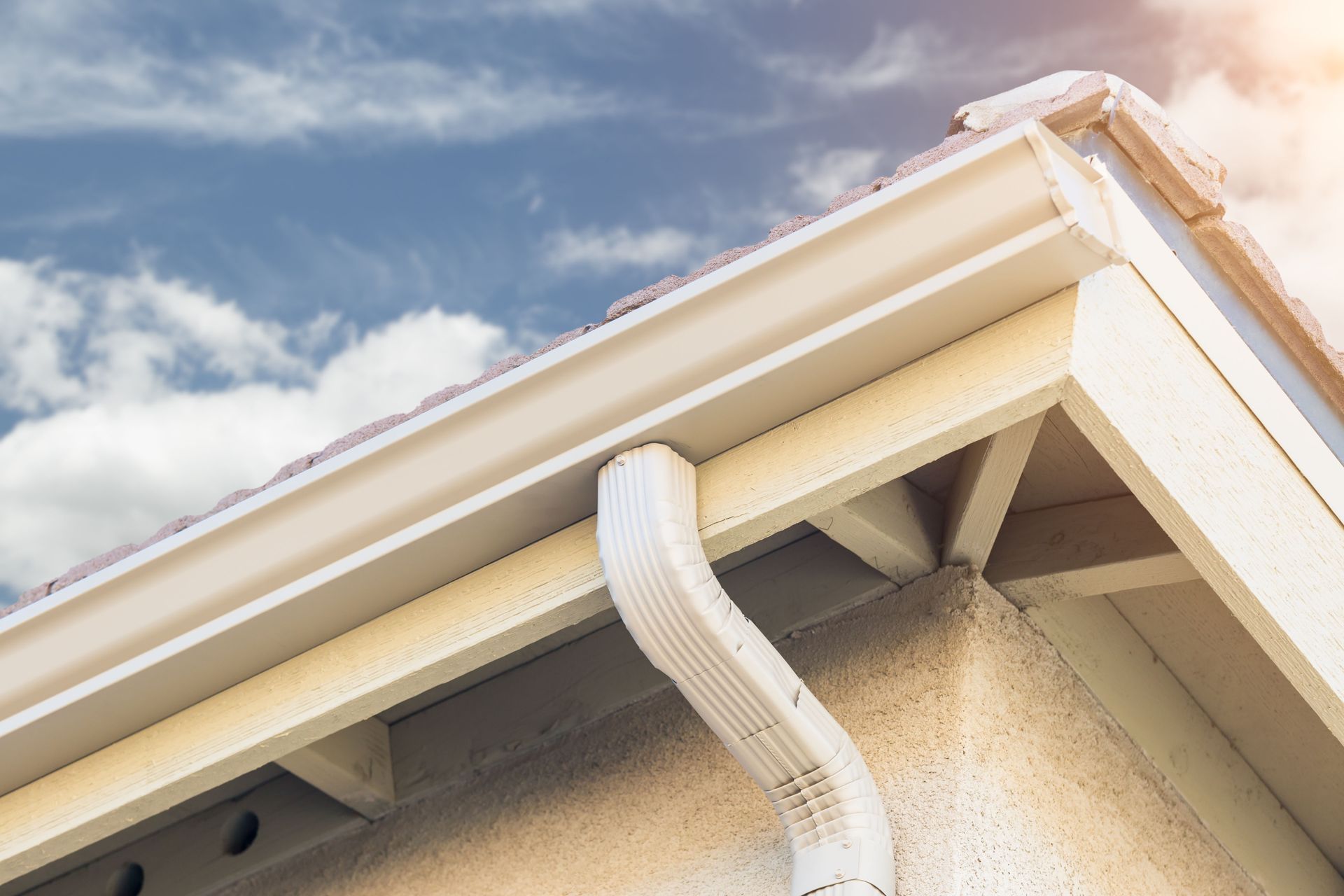
Aluminum provides a lightweight and rust-resistant solution, making it a popular choice for exterior improvements. Minimal weight simplifies the setup process and allows for efficient handling during structural upgrades. Rust resistance is a significant advantage, extending the effectiveness of the drainage network while protecting fascia boards from frequent overflow. Homeowners appreciate aluminum gutters for their seamless compatibility with diverse roof types. This metal delivers excellent performance and withstands daily wear, ensuring the home remains heavily protected.
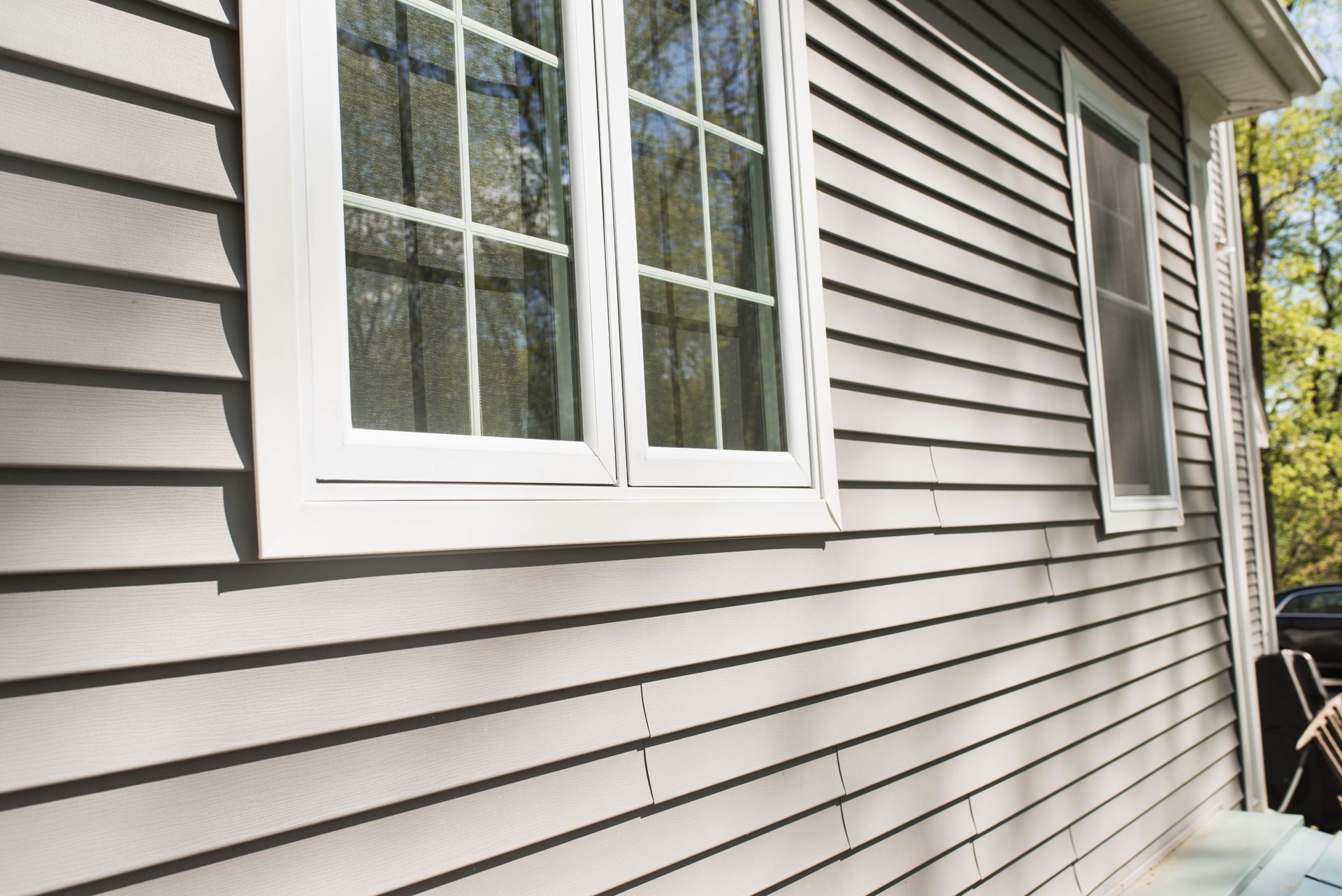
Beyond basic protection, aluminum presents an adaptable option for a variety of home improvement projects. Available in many colors, it complements numerous exteriors and blends seamlessly with existing siding installations or window replacements. Its malleability enables custom architectural configurations, including seamless designs that reduce leak potential. Choosing this recyclable metal promotes sustainable building practices, aligning with eco-friendly property goals. By offering a solid balance of resilience and customization, aluminum continues to be a highly favored option.
Maintaining Aluminum Drainage
Although durable, aluminum is susceptible to minor denting and requires routine maintenance to remain completely effective. Regular cleaning and visual inspections help prevent clogs, preserving functionality and safeguarding the roofline against debris buildup. Keeping these gutters clear ensures rainwater flows without obstruction, minimizing the risk of winter ice dams. Consistent upkeep directly prevents exterior overflow, which can compromise landscaping and foundation stability. This proactive approach significantly extends the practical lifespan of the moisture management system.
Homeowners must periodically check connections and fasteners to guarantee everything remains securely attached to the fascia board. Strong winds or heavy snowfall can occasionally loosen components, making seasonal reviews a recommended practice for optimal performance. Repairing minor dents or replacing small sections of aluminum is generally a straightforward process that does not require extensive structural overhauls. Providing consistent attention to this lightweight framework guarantees that the home retains a highly effective moisture barrier through unpredictable weather patterns.
Considering Copper Alternatives
Copper stands out for exceptional longevity and a remarkable capacity to endure harsh weather with almost no maintenance. Unlike alternative options, copper gutters develop a protective patina as they age, naturally shielding the surface from intense environmental exposure. This aging process enhances material robustness, solidifying its reputation as a premier choice for exterior defense. The structural integrity of copper prevents frequent degradation, offering peace of mind to homeowners prioritizing a lasting defense mechanism against heavy precipitation.
The distinctive patina on copper adds an attractive and dynamic feature to any classic or contemporary residence. As the surface gradually changes color, it provides an evolving visual element that instantly elevates architectural sophistication. This transformative characteristic pairs beautifully with upscale exterior doors, custom decking, and intricate rooflines. Because of its timeless elegance, copper is often favored for historical restorations seeking unmatched curb appeal. Choosing this premium metal ensures the property gains a striking architectural accent.
Installing Copper Features
Because the material is exceptionally heavy and relies on soldered joints, professional installation expertise is necessary to guarantee flawless performance. This specialized craftsmanship ensures perfect alignment and secure fastening, properly supporting the substantial weight along the roof edge. Skilled craftsmen meticulously solder each connection to create leak-proof seams, maximizing foundational strength. Such precise implementation is vital for preventing structural sagging and ensuring that heavy rainfall is efficiently channeled away from the sensitive foundation areas.
Integrating copper gutters into a home requires careful planning to match the specific dimensions and load-bearing capacity of the fascia. Installers must account for the natural expansion and contraction of the metal during temperature fluctuations, ensuring long-term stability. The installation process demands advanced tools and techniques to handle the unique properties of copper safely. While the setup demands specialized labor, the resulting seamless integration delivers a permanent moisture management solution that drastically minimizes future interventions.
Selecting Steel Structures
Steel delivers incredible structural strength, standing as a formidable barrier against the most extreme weather conditions. The solid composition comfortably withstands strong winds, torrential downpours, and significant snow accumulation, securing the property against severe environmental stress. Galvanized variants provide vital rust resistance, guarding against moisture-induced degradation and extending the functional life of the drainage network. This robust defense mechanism makes steel gutters particularly beneficial in regions experiencing frequent, heavy precipitation, ensuring homes remain consistently well-defended year-round.
The substantial heft of steel means that these structures resist bending or warping when subjected to falling branches or leaning ladders. Such unyielding rigidity makes it a premier choice for properties located near heavy tree coverage where impact risks are significantly higher. When coated with specialized finishes, steel gutters resist fading and chalking, retaining their pristine appearance. This combination of raw physical strength and surface-level resilience ensures that the home maintains a polished exterior profile.
Evaluating Steel Resilience
The substantial weight of steel necessitates professional handling to ensure proper alignment and secure attachment to residential fascia boards. Experienced installers possess the skills to navigate these structural complexities, delivering durable protection that maximizes the foundational strength of the chosen metal. Specialized mounting brackets are employed to handle the heavier load, preventing detachment during severe storms. Properly securing heavy-duty gutters guarantees that rainwater is continuously routed away from the residence without causing undue strain.
Aesthetically, steel offers excellent customization flexibility, as it can be painted to match existing siding, brickwork, or custom exterior trim. Painting provides an opportunity for creative expression, allowing the exterior to maintain a perfectly cohesive appearance tailored to individual preferences. The smooth finish accepts protective coatings exceptionally well, preventing premature flaking or chipping. By harmonizing exceptional endurance with highly adaptable visual integration, property owners can achieve a truly customized exterior profile that perfectly balances architectural beauty.
Selecting the ideal material for a residential drainage network involves evaluating durability, structural requirements, and specific aesthetic preferences. Each metal option presents distinct advantages and unique structural characteristics that deeply influence long-term property protection. Analyzing these varying traits in the context of unique architectural needs and regional weather patterns ensures optimal exterior defense. Matching the correct material to the structural design guarantees the home remains safe from water damage while elevating its overall curb appeal. Proper planning always yields a beautiful, resilient home exterior.
Understanding the unique properties of aluminum, copper, and steel empowers property owners to make highly strategic exterior improvements. A well-planned installation preserves the structural integrity of the roof, siding, fascia, and foundation for many seasons to come. Equipping your home with the proper moisture management system ensures lasting peace of mind regardless of unpredictable weather conditions. When you are ready to protect your home with high-quality gutters, contact us at R & JL Exteriors to start your exterior upgrade today.