How Properly Installed Gutters Protect a Home’s Foundation
March 19, 2026
Gutters are an essential component of a home's architecture, often overlooked but critical in maintaining structural integrity. By effectively managing water runoff, gutters help protect a home's foundation from a myriad of potential issues. If you've ever wondered about the importance of properly installed gutters, this guide is for you. We aim to explore helpful insights on maximizing their effectiveness for homeowners. Understanding the dynamics of gutter systems can help homeowners appreciate their investment. As we explore further, the intricate relationship between gutters and foundation protection will become clear.
The Fundamentals of Gutter Systems
Gutters, primarily installed at the edge of a roof, are crucial for channeling rainwater away from the house. Their primary role is to prevent water from eroding the soil near the foundation, which can lead to costly structural damage. Without gutters, rainwater can cause flooding in basements or crawl spaces. This system helps manage water runoff efficiently, safeguarding the integrity of the home. By installing gutters, homeowners can significantly reduce maintenance costs associated with water damage.
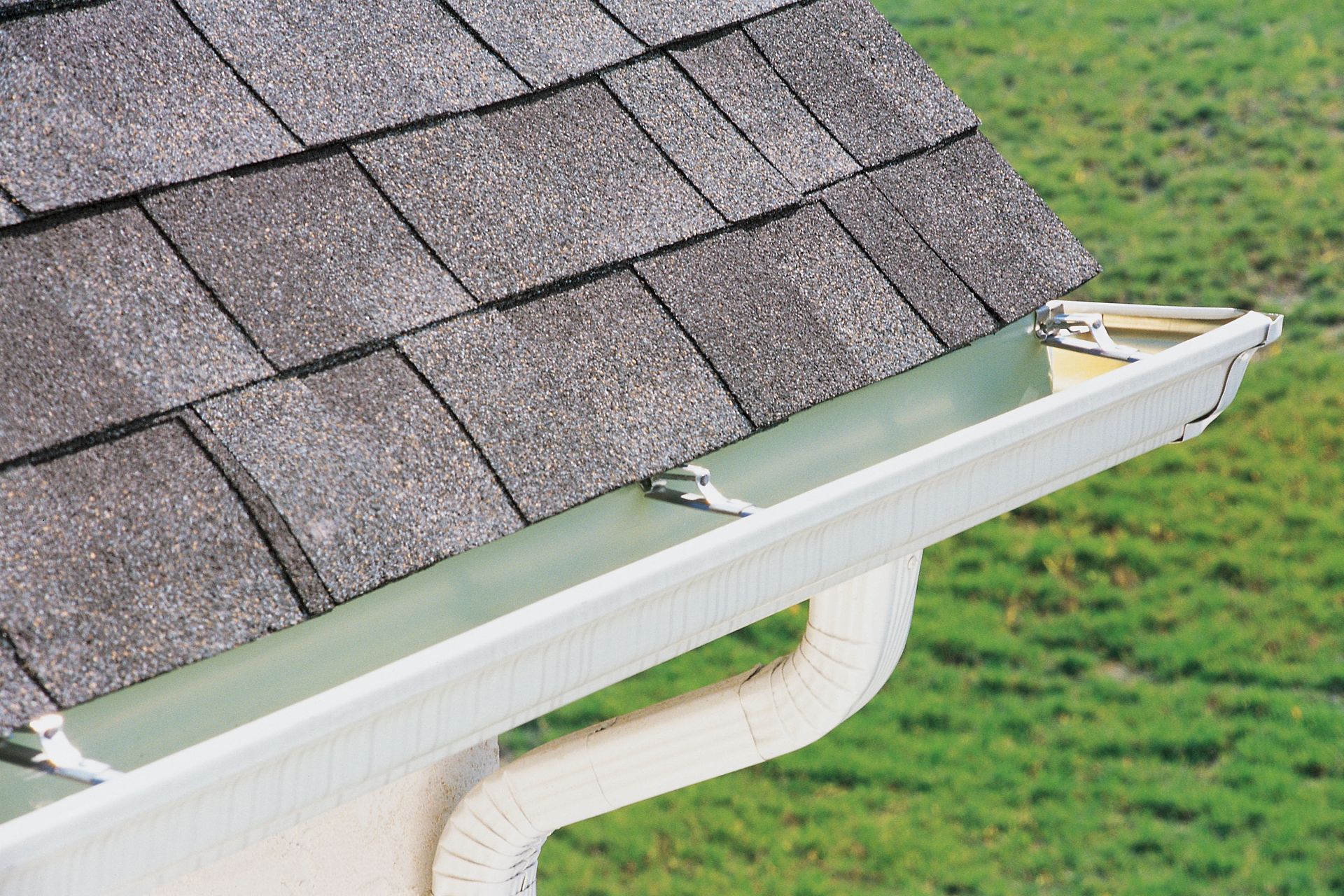
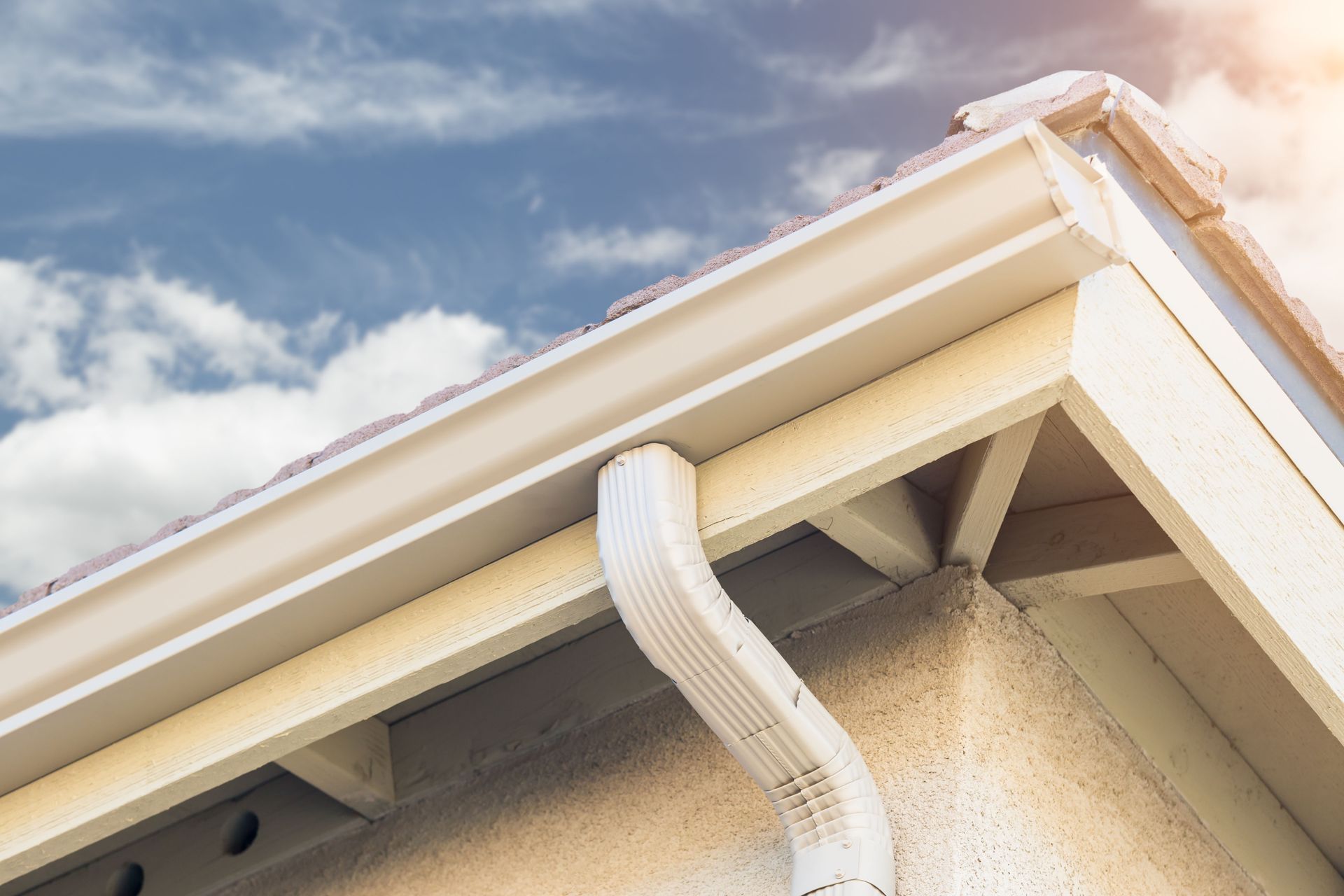
A comprehensive gutter system is composed of several essential parts, each designed to work together to protect a home from water damage. The fascia is a horizontal board that runs along the edge of the roof, providing the main support for the gutters. It ensures that the gutters remain securely attached and stable, even during heavy rainfall. Gutters themselves are the channels that collect rainwater from the roof and guide it toward the downspouts. Downspouts serve as vertical conduits that carry this water safely away from the foundation of the home, preventing erosion, basement flooding, and structural damage. To enhance the system's effectiveness, downspout extensions can be added, further directing water to safe drainage areas and minimizing the risk of pooling around the property. Other components, such as gutter guards, elbows, and splash blocks, can also improve performance by preventing clogs and controlling the flow of water. Together, these parts form a cohesive system that not only safeguards the home but also contributes to its longevity by managing water efficiently and reducing maintenance concerns.
Gutters come in different materials, each with unique advantages and challenges. Aluminum gutters are popular for their lightweight and rust-resistant nature. Vinyl is favored for its cost-effectiveness, although it may not last as long as metal options. Steel and aluminum gutters, according to HomeGuide, generally last 20 to 30 years, while copper gutters can last over 50 years. Selecting the right material depends on budget, climate, and maintenance preferences.
How Gutters Prevent Water Damage
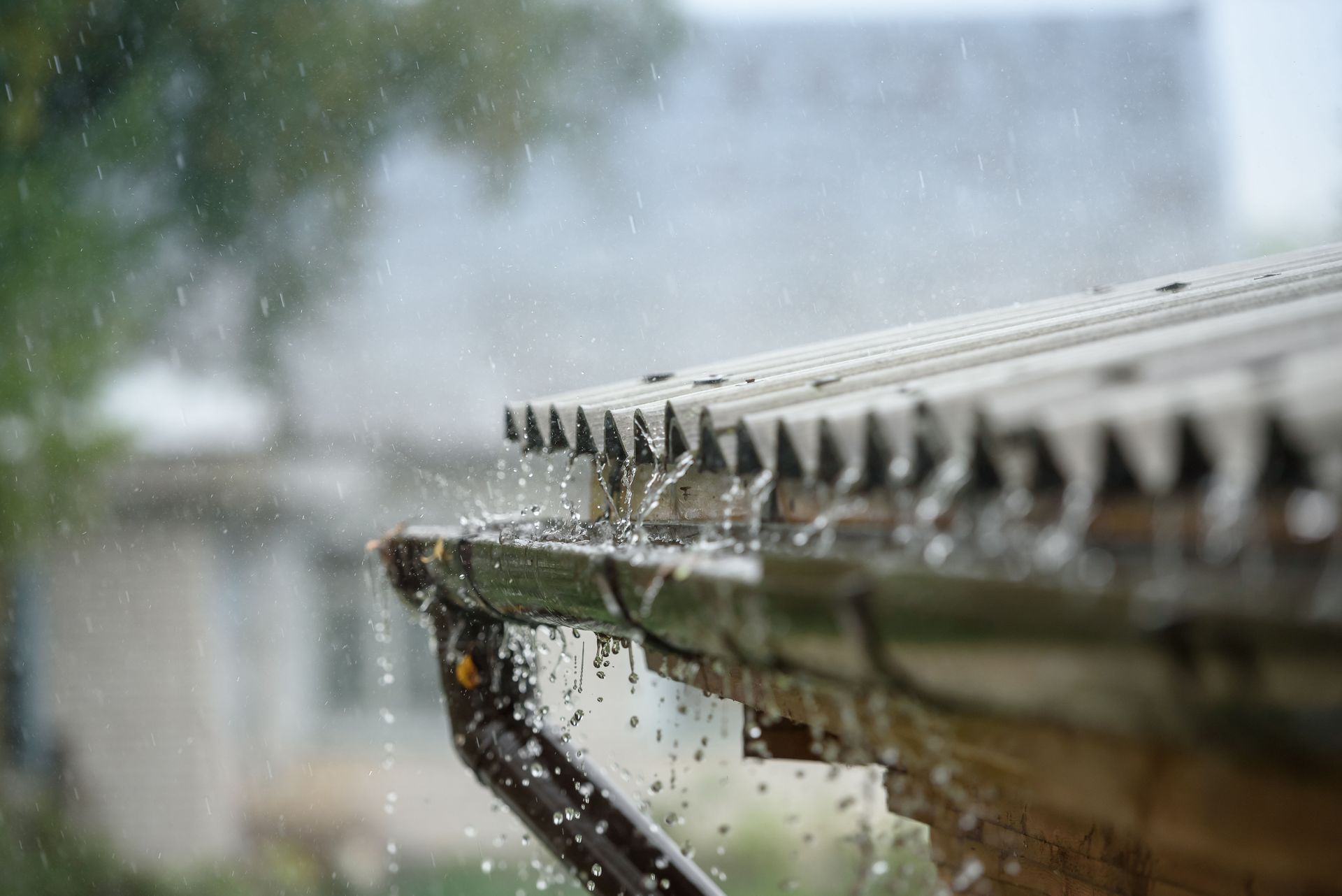
Gutters are designed to effectively channel rainwater away from a home's foundation. This water redirection prevents the pooling of water, which can undermine the foundation's stability. By moving water away from the base of the home, gutters help avoid soil erosion that can cause foundational shifts. Maintaining this system's efficiency through regular inspections and cleaning is vital. Ultimately, gutters serve as the first line of defense against potential foundation damage.
Basement flooding is often the result of excess water accumulating at the home's base. Properly installed gutters minimize this risk by managing rainwater efficiently. By directing water far from the foundation, gutters prevent leaks and seepage into basements. Consistent gutter maintenance helps ensure that water flows unobstructed, further mitigating flooding risks. This aspect is crucial for preserving the structure and safety of the lower levels of a home.
Soil erosion around a home's perimeter can lead to uneven pressure on the foundation. Gutters work to prevent this by ensuring controlled water runoff. Without gutters, heavy rainfall can wash away soil, leading to exposure of the foundation and potential structural issues. Consistent water diversion flattens concentrated water impact, maintaining soil stability. As a result, gutters contribute to the long-term preservation of landscaping and foundational integrity.
Signs Your Gutters Are Not Properly Installed
Sagging gutters are a clear indicator of installation issues. This misalignment disrupts water flow, causing water to pool in areas rather than drain effectively. It can also strain the fascia and lead to structural instability. Regular inspections can help identify sagging early, allowing for timely repairs. Ensuring professional installation and support bracketing minimizes these issues.
Clogged gutters can lead to several problems, including overflow during heavy rain. This overflow can cause water to pool around the foundation, leading to erosion. Persistent blockages often indicate poor installation or lack of maintenance. Regular cleaning and inspection prevent accumulation of leaves and debris, ensuring smooth water flow. Homeowners should prioritize gutter maintenance to avoid these detrimental effects.
Water stains on the exterior or interior walls suggest gutter inefficiencies. These stains result from improperly directed water, indicating leaks or blockages in the system. Left unmanaged, they lead to mildew and potential structural damage. Promptly addressing these signs minimizes risks and repairs costs. Proper sealing and alignment during installation reduce the potential for such damages.
Maintenance Tips for Long-Lasting Gutters
The effectiveness of gutters relies heavily on routine cleaning for optimal water flow. Leaves, twigs, and other debris can obstruct gutters, leading to overflowing and damage. Regular cleaning prevents these blockages, ensuring water is efficiently directed away from the foundation. This maintenance practice not only prolongs the lifespan of gutters but also safeguards structural integrity. Homeowners should consider seasonal cleanups to accommodate fluctuating debris levels.
Regular inspection of gutter seams is vital for identifying gaps or leaks. Seams can weaken over time, compromising the system's ability to channel water effectively. Prompt repair of these gaps ensures the system remains waterproof and functional. Homeowners are advised to inspect seams and joints semi-annually or after major storms to catch any problems early. Corrective measures strengthen the system's durability and effectiveness.
Ensuring that downspouts are properly positioned is crucial in directing water away from the foundation. Misaligned downspouts can lead to water pooling or soil erosion around the base of a home. Installing extensions to relocate discharged water further away greatly benefits structural security. Downspouts should be checked regularly to ensure that they are not clogged or misdirected. When maintained correctly, downspouts play an essential role in the effectiveness of gutter systems.
The Right Gutter System for Your Home
When selecting a gutter system, it’s crucial to consider the roof’s pitch and size. A steep roof may require a specific design to handle increased water velocity. Larger roofs demand systems with greater capacity to accommodate more water. Assessing these factors helps in choosing the appropriate style and dimensions for optimal water management. Tailored gutter systems offer better performance and protection for various roof types.
The local climate significantly influences gutter material and style choices. For example, areas with heavy snowfall may benefit from sturdier steel gutters or those with gutter heat cables. Copper gutters, though pricier, excel in resisting rust in moisture-prone environments, with longevity exceeding 50 years. Climate-resilient choices prevent frequent replacements and ensure long-term protection. Balancing local weather challenges with suitable materials extends gutter system life.
Choosing a
gutter system involves weighing upfront costs against long-term benefits. While copper gutters are expensive initially, their durability and minimal maintenance make them cost-effective over decades. Conversely, vinyl gutters may save on installation but require frequent replacements and repairs. Homeowners should consider the lifespan and maintenance needs of various materials. Thoughtful investment in a durable system yields substantial long-term savings.
Properly installed and maintained gutters are indispensable in protecting a home’s foundation and other structures from water damage. This article underscores their fundamental roles, guiding decisions around installation, maintenance, and material selection. Savvy homeowners can harness these insights to enhance the resilience and value of their homes. If you want to make sure your gutters help support your home foundation, trust our team here at R & JL Exteriors. We have a wide range of services and products to help you get the most out of your investment.